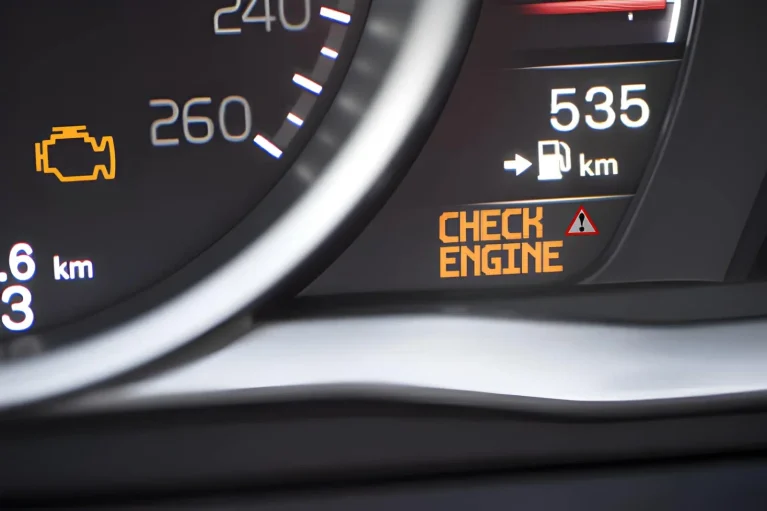
The airbag light can sometimes be reset at home by checking for loose seat connectors, inspecting the battery connections, performing a battery disconnect reset, checking the SRS fuse, or using an SRS capable scan tool. These DIY steps resolve the light when the cause is a minor electrical glitch, a loose plug, or a stored code from a voltage event. However, most airbag light causes require a professional SRS scan tool to clear because the codes are stored in a protected area of the airbag control module that basic OBD2 scanners cannot access.
This guide covers every DIY step that actually works, explains what each one fixes, and tells you exactly when the light needs professional attention instead.
Why Does the Airbag Light Come On?
The airbag light turns on when the SRS (Supplemental Restraint System) computer detects a fault anywhere in the airbag circuit. The system monitors every airbag, crash sensor, seatbelt pretensioner, the clock spring, the seat occupancy sensor, and the wiring that connects all of them. If any component sends an abnormal signal or stops communicating entirely, the module stores a fault code and activates the warning light. Once the light is on, the entire airbag system is disabled and will not deploy in a collision.
The causes range from a $0 loose connector fix to a $1,500 module replacement. A plug under the driver’s seat that got kicked loose during cleaning triggers the same warning light as a crashed airbag module with stored deployment data. The light itself does not tell you which cause you are dealing with. Only reading the stored SRS code reveals whether the fix is something you can handle at home or something that needs professional equipment. Our full guide on why is my airbag light on covers every common cause in detail with repair costs for each.
Before attempting any DIY reset, understand what you are working with. The airbag system contains explosive components. The airbags and pretensioners can deploy with enough force to cause serious injury if handled incorrectly. Every DIY step in this guide involves only electrical connections and scan tool operations. None of them require touching, removing, or disassembling any airbag component.
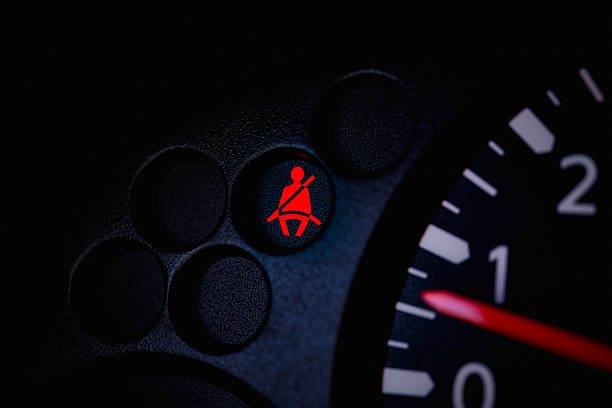
Can You Actually Reset the Airbag Light Yourself?
Yes, but only for certain causes. The airbag light resets when the SRS module completes a self check and finds no active faults. If the cause was temporary, such as a loose connector, a low voltage event, or a blown fuse, fixing the underlying issue allows the module to clear the light on its own during the next ignition cycle on some vehicles. On others, the code stays stored even after the cause is fixed and needs to be cleared manually with a scan tool.
The key limitation of DIY airbag light resets is tool access. A basic OBD2 scanner reads powertrain codes from the engine control module. It cannot access the SRS module where airbag codes are stored. Clearing airbag codes requires either a professional SRS scan tool ($300 to $2,000) or an affordable SRS capable OBD2 scanner ($80 to $200) that specifically lists airbag module access in its supported functions.
The DIY steps below are ordered from simplest to most involved. Start at the top and work down. Each step eliminates one common cause, and if the light turns off after any step, you have found and fixed the problem. If the light stays on after completing all five steps, the cause requires professional diagnostic equipment to identify and resolve.
That Dashboard Light Will Not Fix Itself
Airbag warnings, electrical faults, and AC failures get worse the longer you wait. Send us your vehicle details and we will have a quote ready before your next drive.
DIY Steps To Reset Your Airbag Light
These five steps cover the causes you can address at home. Start with step one and work through each one in order.
1. Check for Loose Connectors Under the Seats
The most common DIY fixable cause of an airbag light is a disconnected plug under the front seats. The wiring connectors for the seat occupancy sensor, the side airbag, and the seatbelt pretensioner all run under the seat and can get kicked loose when passengers adjust their seating position or when items are pushed under the seat. A loose connector breaks the circuit and the SRS module flags a fault immediately.
Turn the ignition off and move both front seats fully forward, then fully backward while looking underneath for any yellow or orange connectors that are disconnected or partially seated. SRS connectors are almost always yellow to distinguish them from other wiring. If you find a loose one, push it back into its socket until it clicks. Turn the ignition on and check if the light turns off after the system completes its self check.
2. Inspect the Battery and Charging System
A weak battery or a voltage drop during startup can trigger the airbag light alongside other warning lights like ABS and traction control. The SRS module needs stable voltage to operate, and a dip below the normal range during a slow crank or a jump start can store a fault code. If your airbag light came on at the same time as other warning lights after a battery issue, the voltage event is likely the cause. These are broader car electrical problems that affect multiple modules at once.
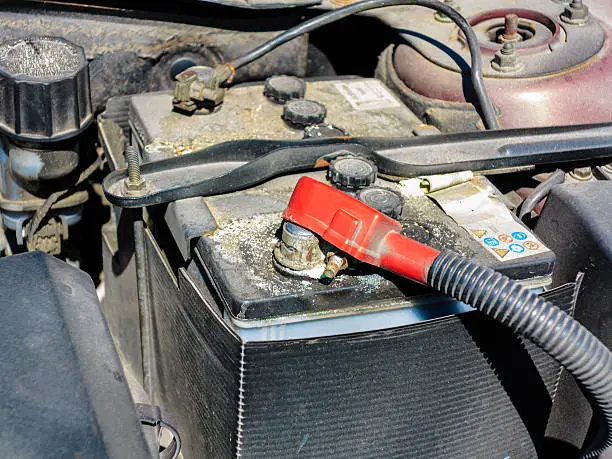
Check the battery terminals for corrosion and tighten any loose connections. If the battery is over four years old, have it load tested at an auto parts store for free. A weak battery that cannot hold stable voltage will keep causing SRS codes even after they are cleared. Our guide on how to test a car battery walks through the full testing process with a multimeter.
3. Try the Battery Disconnect Reset
On some vehicles, disconnecting the battery for 15 to 30 minutes allows the SRS module to clear soft codes when the power is restored. Turn the ignition off, disconnect the negative battery terminal, and wait at least 15 minutes. This drains the residual power in the SRS system’s backup capacitor. Reconnect the terminal, turn the ignition on, and watch whether the airbag light goes through its normal bulb check and turns off.
This method only works for soft codes caused by temporary electrical glitches. It does not clear hard codes from crash data, sensor failures, or component faults. If the light stays on after the battery reconnect, the code is stored in protected memory that requires an SRS scan tool to clear. Do not repeat this step multiple times expecting different results. If it does not work the first time, the cause is beyond what a battery disconnect can address.
4. Check the SRS Fuse
The SRS system has a dedicated fuse in the fuse box that protects the airbag circuit. A blown SRS fuse cuts power to the entire airbag system and turns on the warning light. Check your owner’s manual for the location of the SRS fuse, pull it out, and inspect the metal strip inside. A broken strip means the fuse is blown. Replace it with a fuse of the same amperage rating.
If the new fuse blows immediately after installation, there is a short circuit somewhere in the SRS wiring that is drawing too much current. Do not keep replacing fuses. A recurring blown fuse needs a professional wiring diagnosis to find the short before it causes further damage. If the new fuse holds and the light turns off after the ignition cycle, the blown fuse was the only issue.
5. Use an SRS Capable Scan Tool
If the steps above fixed the underlying cause but the light stays on, the stored code needs manual clearing. An SRS capable scan tool connects to the OBD2 port and accesses the airbag control module directly. Select the SRS or airbag system from the module list, read the stored codes, and clear them after confirming the cause has been addressed. The light should turn off on the next ignition cycle.
Affordable SRS capable scanners like the BlueDriver, Foxwell NT630, or Launch CRP123 cost $80 to $200 and support airbag code reading and clearing on most vehicles. These are different from basic $30 code readers that only access the engine module. Before purchasing, verify that the scanner supports your specific vehicle make and model for SRS functions. Some scanners cover SRS on certain brands but not others.
When Does the Airbag Light Need Professional Attention?
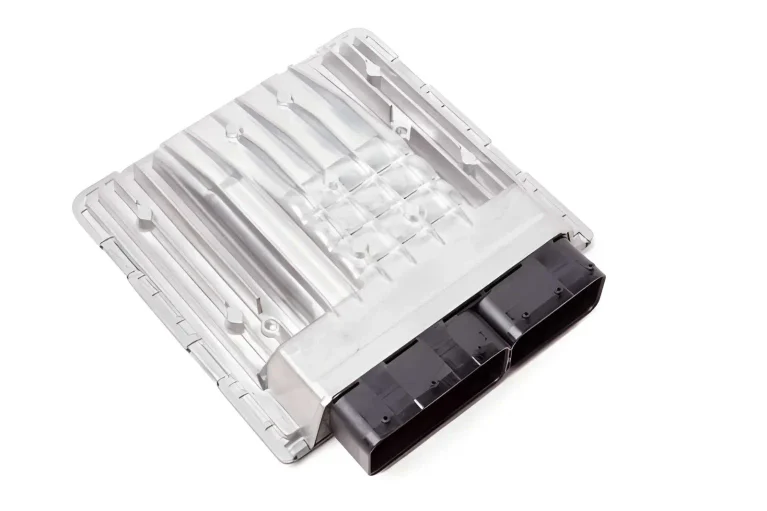
Stored crash data in the airbag control module is the most common cause that DIY cannot resolve. When the module records a crash event, it locks that data into protected memory that no consumer level tool can erase. An airbag module reset performed with specialized SRS software clears the stored crash data and restores the module to factory condition for $50 to $150. This is far less than the $500 to $1,200 airbag replacement cost for a full new module. Our guide on airbag replacement cost covers the full pricing breakdown when the module needs replacing rather than resetting.
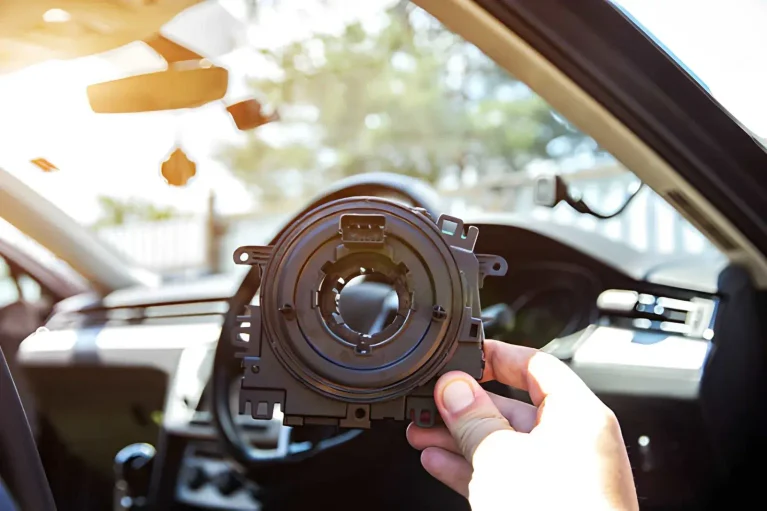
Failed components like crash sensors, the clock spring, the seat occupancy sensor, or a damaged SRS wiring harness all require professional diagnosis to confirm and professional repair to fix. A steering angle sensor reset is also needed alongside SRS work when the stability control system lost its calibration during the same event that triggered the airbag light.
For vehicles that need crash data cleared from the SRS module, Toki Auto Works offers airbag module reset in California using OEM dealer level software. They also accept mail in airbag module reset requests from anywhere in the country for vehicle owners who do not have a local SRS specialist.
Frequently Asked Questions
1. Will disconnecting the battery reset the airbag light?
It works on some vehicles for soft codes caused by temporary voltage glitches. It does not clear hard codes from crash data, sensor faults, or component failures. If the light stays on after a 15 to 30 minute battery disconnect, the code requires an SRS scan tool to clear.
2. Can AutoZone reset my airbag light?
No. Auto parts stores use basic OBD2 scanners that only read engine codes. Airbag codes are stored in the SRS module, which requires an SRS capable scan tool to access. A professional shop or an SRS capable scanner you purchase yourself are the only options for clearing airbag codes.
3. How much does it cost to reset the airbag light?
A professional SRS code clear costs $50 to $150 at a specialist shop. If the light is caused by stored crash data, an airbag module reset costs $50 to $200. The diagnostic fee to identify the cause typically runs $100 to $180.
4. Is it safe to drive with the airbag light on?
The vehicle drives normally, but the entire airbag system is disabled. In a collision, the airbags will not deploy and the seatbelt pretensioners will not fire. You are driving without the protection the vehicle was designed to provide.
5. Can I just remove the airbag light bulb or use a resistor to turn it off?
Never. Removing the bulb or wiring a resistor hides the warning without fixing the fault. The airbag system remains disabled, and you lose the only visual warning that tells you the system is not protecting you.
Get a Straight Answer Before You Spend a Dollar
No guesswork, no upsell. Tell us the problem and we will run it through the same OEM software your dealership uses, then give you an honest quote. Family owned, 5.0 stars, 128 reviews.