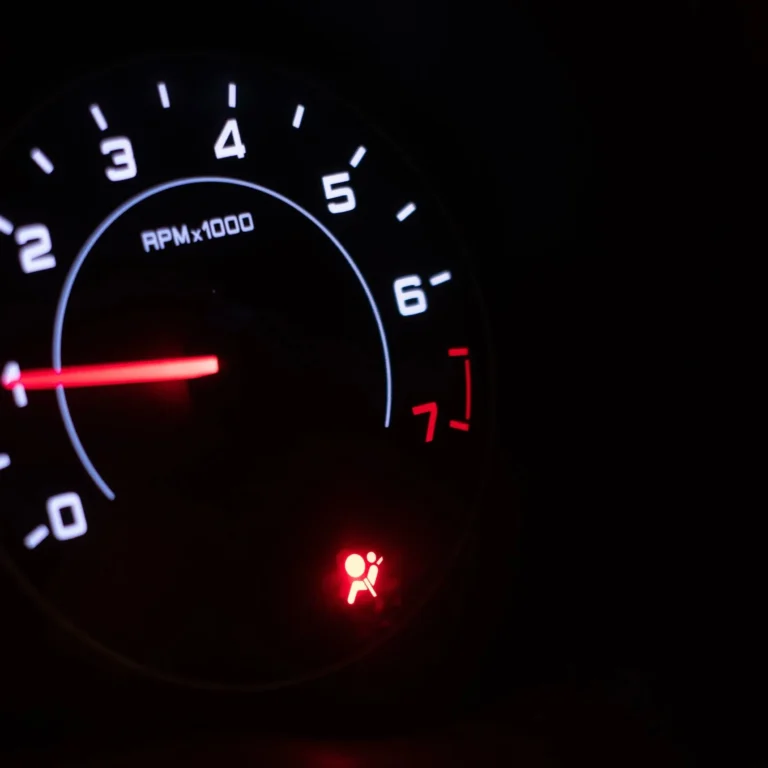
Car electrical problems account for a large percentage of breakdowns and repair shop visits, and they range from a dead battery that costs $100 to replace to a damaged wiring harness that can run over $1,000 to fix. The challenge with electrical faults is that they rarely announce themselves with a single clear symptom. A dimming headlight, a flickering dashboard, a car that cranks slowly, or multiple warning lights appearing at once can all trace back to the same corroded ground wire or failing alternator.
This guide covers every major car electrical problem, what causes each one, and what to do when it happens.
How Car Electrical Systems Work?
Every modern vehicle runs on a 12-volt electrical system powered by the battery and maintained by the alternator. The battery provides the initial power to crank the engine through the starter motor. Once the engine is running, the alternator takes over and generates electricity to power every system in the vehicle while recharging the battery. If either the battery or the alternator fails, every electrical component is affected because they all draw from the same power source.
Electricity travels through the vehicle’s wiring harness, a bundled network of wires that connects every sensor, module, motor, light, and switch to the power source. Fuses and relays protect individual circuits from overload. A fuse blows when too much current flows through a circuit, cutting power before the wiring is damaged.
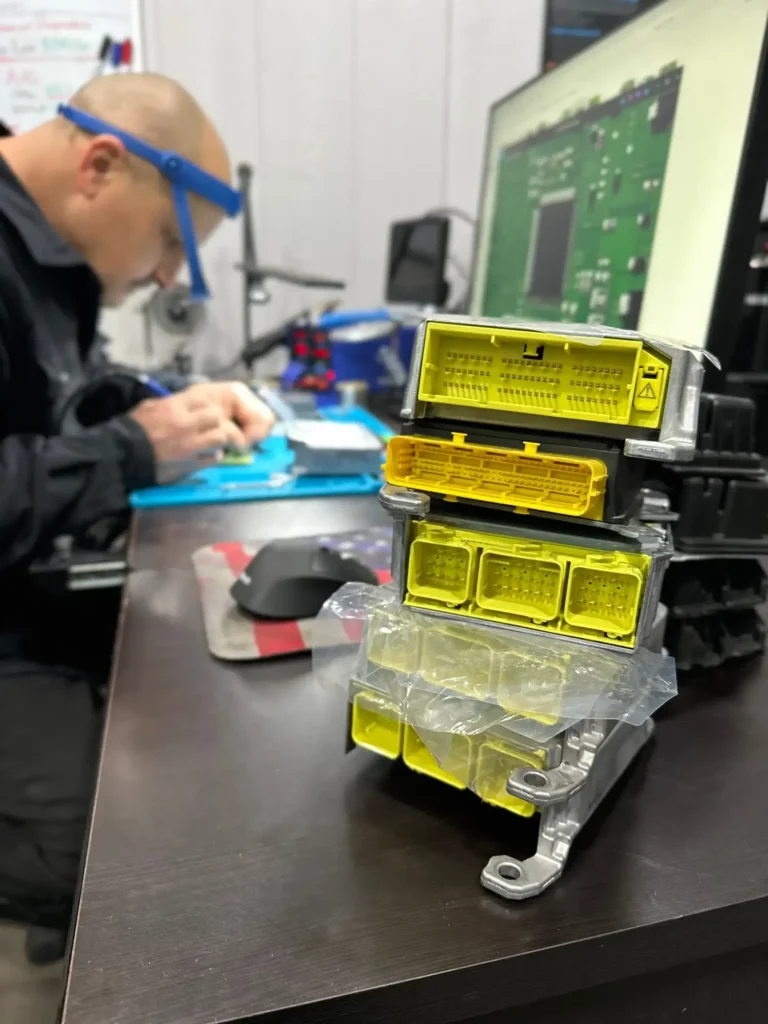
The system is managed by multiple electronic control modules that communicate through a data network called the CAN bus. The engine control module manages fuel and ignition, the transmission control module handles shifting, and the body control module runs accessories like lights, locks, and windows. For a full explanation of how the engine control module processes sensor data and manages the powertrain, our in-depth guide on what is an ECM in a car breaks down every function.
Most Common Car Electrical Problems
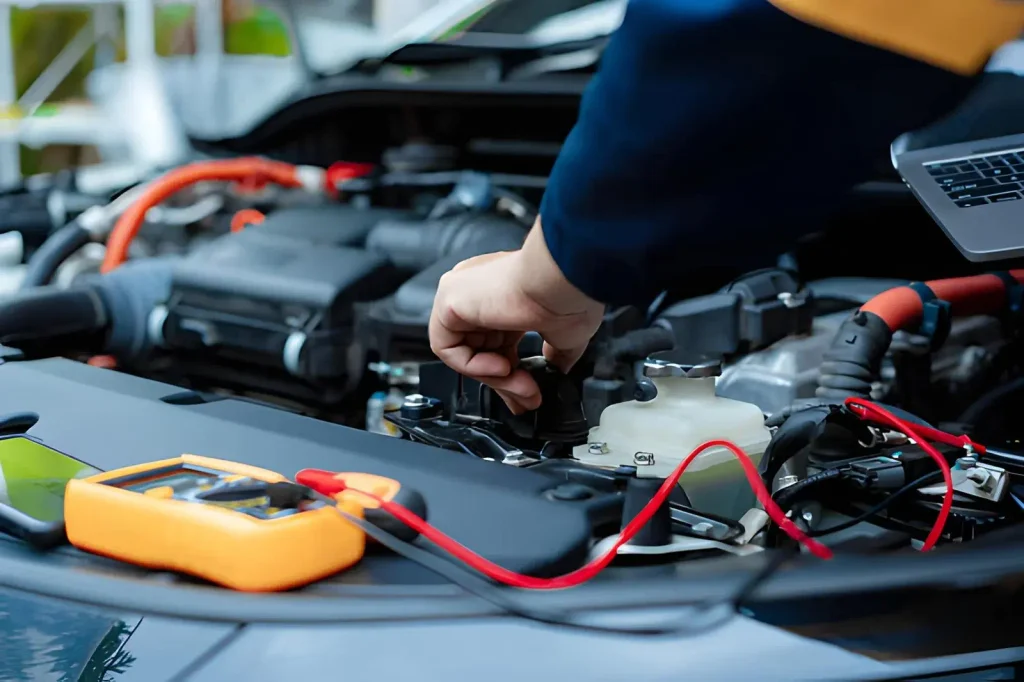
Most car electrical problems fall into six categories. Here is each one, what causes it, what symptoms to watch for, and what the repair typically costs.
1. Dead or Weak Battery
A dead battery is the most common car electrical problem drivers experience. The average battery lasts three to five years, and heat, cold, short trips, and parasitic electrical draws all shorten that lifespan. Symptoms include slow engine cranking, dim interior lights when starting, and a clicking sound from the starter relay when you turn the key.
Replacing a battery costs $100 to $250. Before replacing it, have the battery load tested to confirm it is actually failing and not just discharged from a charging system problem. A battery that tests good but keeps dying points to either an alternator fault or a parasitic draw that needs tracing with an ammeter.
2. Alternator Failure
The alternator charges the battery and powers the entire electrical system while the engine is running. When it starts failing, the battery picks up the slack until it runs out of stored energy. Symptoms include dimming headlights at idle, a battery warning light on the dashboard, and a growling or whining noise from the front of the engine.
A new alternator costs $300 to $700 including parts and labor. Voltage output should read between 13.5 and 14.8 volts at idle with accessories on. A voltage spike from a failing alternator is one of the most common causes of ECM replacement cost becoming necessary on high-mileage vehicles because the surge damages the module’s internal circuits.
3. Starter Motor Problems
The starter motor cranks the engine when you turn the key or press the start button. A failing starter produces a clicking sound without cranking, a grinding noise during cranking, or complete silence when you turn the key. Intermittent no-start conditions usually point to worn starter contacts or a failing solenoid rather than a dead battery.
Starter replacement costs $200 to $600. Before replacing it, check the battery terminals, the starter relay, and the ground cable connections. A corroded terminal or loose ground wire can produce the exact same symptoms as a bad starter and costs almost nothing to fix.
4. Blown Fuses and Bad Relays
A blown fuse cuts power to the circuit it protects, and the component on that circuit stops working immediately. A single blown fuse usually means a temporary overload. Repeated blown fuses on the same circuit mean there is an active short somewhere in the wiring that keeps drawing too much current.
Fuses cost under $1 each. The real cost is the diagnostic time to find what caused the blow. A bad headlight relay kills both headlights at once. A bad fuel pump relay keeps the engine from starting. Relay replacement runs $20 to $80 for the part.
5. Wiring and Ground Faults
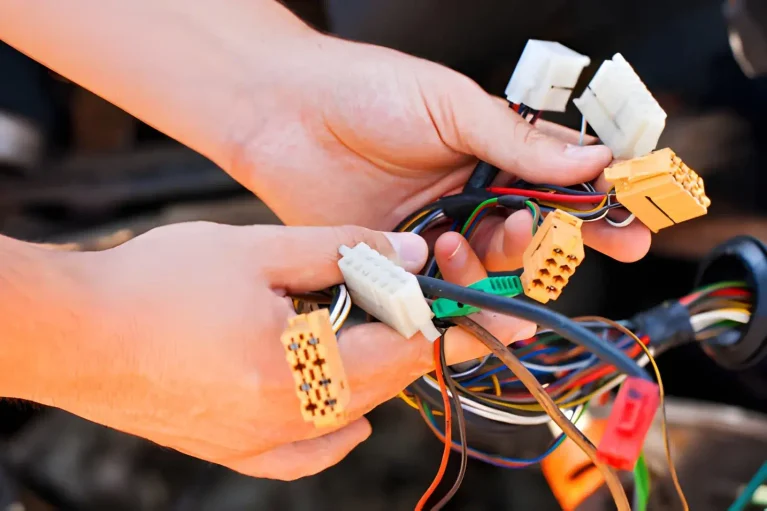
Wiring damage is the hardest car electrical problem to diagnose because it can cause symptoms in any system the damaged wire connects to. Rodents chewing through insulation, corrosion at connector pins, wires chafing against metal brackets, and heat damage from exhaust routing all create intermittent failures and seemingly random electrical behavior.
Ground faults are a specific type of wiring problem where the return path for electricity is interrupted. A single corroded ground bolt can affect multiple systems at once. The wiring harness replacement cost depends on how much of the harness is damaged, but targeted repairs to individual wires or connectors run $100 to $500.
6. Module Communication Failures
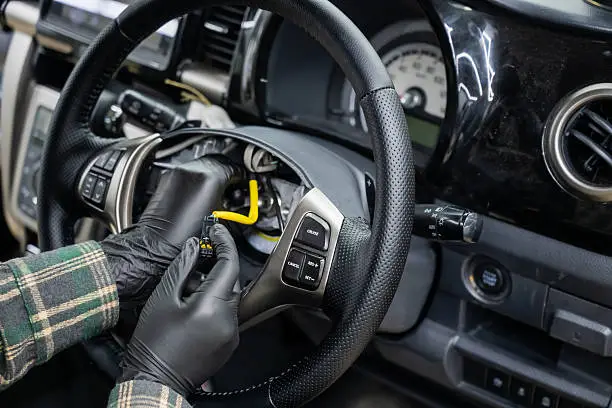
When electronic control modules lose communication on the CAN bus, the vehicle sets U-codes and multiple warning lights appear on the dashboard simultaneously. The check engine light, ABS light, traction control light, and airbag light all coming on together is a classic sign of a CAN bus communication fault rather than four separate system failures. If the airbag light came on at the same time, our guide on why is my airbag light on covers the full range of SRS faults that trigger that warning.
Diagnosing module communication faults requires a scan tool that can read network traffic and identify which module stopped responding. Proper ECM programming restores communication if the engine control module dropped offline, and a steering angle sensor reset is often needed alongside module work when the stability control system lost its calibration. Our pricing guide on how much does it cost to reprogram a car computer covers what module programming runs across different module types.
That Dashboard Light Will Not Fix Itself
Airbag warnings, electrical faults, and AC failures get worse the longer you wait. Send us your vehicle details and we will have a quote ready before your next drive.
How To Diagnose Car Electrical Problems?
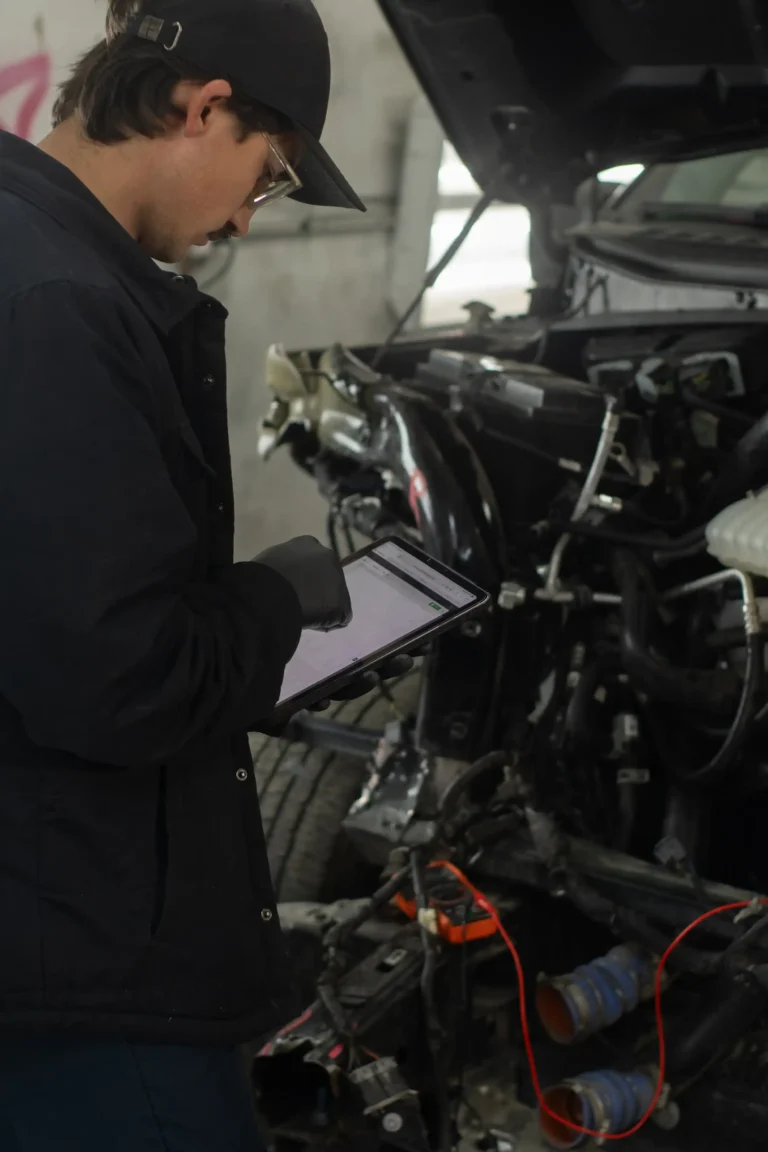
The first step in any electrical diagnosis is reading the fault codes stored in the vehicle’s computer. A basic OBD2 scanner reads powertrain codes, but car electrical problems often involve body and communication codes that a basic scanner cannot access. A professional-grade scan tool reads all module types and shows which systems are setting faults. Our guide on car diagnostics tools explains what each of these instruments does and why a basic code reader is not enough. You can also check engine light codes without a scanner on some vehicles using dashboard methods, though this only covers powertrain codes.
After reading the codes, a technician uses a multimeter and a wiring diagram to trace the circuit back to the fault. A voltage drop test checks every connection point for resistance caused by corrosion, loose terminals, or damaged wires. Understanding what goes into a proper car electrical diagnostic helps you evaluate whether a shop is testing this way or just reading codes and guessing.
The most common diagnostic mistake is replacing parts based on the fault code alone without testing the circuit. A code pointing to an oxygen sensor does not always mean the sensor is bad. It could mean the wiring is damaged, the connector is corroded, or the ground wire shared with three other sensors is loose.
Car Electrical Diagnostics in California
Most car electrical problems get misdiagnosed because the shop doing the work lacks the right tools. A general repair shop can swap a battery or replace an alternator, but when the fault sits in a corroded splice buried inside the wiring harness or a module that drops off the CAN bus network under heat, they start guessing at parts. A proper diagnosis requires OEM-level scan tools, manufacturer wiring diagrams, and a technician who tests circuits before recommending parts.
A proper electrical diagnosis requires OEM-level scan tools, manufacturer wiring diagrams, and a technician who tests circuits before recommending parts, not a shop that reads one code and starts swapping components. Toki Auto Works meets that standard on every job, running auto electrical diagnostics in California with the same dealer-level software and wiring diagrams the manufacturers use. If the diagnosis turns out to be wrong, they rediagnose at no extra charge.
Frequently Asked Questions
Q. How much does it cost to fix car electrical problems?
The cost depends on the fault. A corroded battery terminal costs $10 to clean. A blown fuse is under $1. An alternator replacement runs $300 to $700. Wiring repairs cost $100 to $500. A full module replacement can reach $500 to $2,000. The diagnostic fee typically runs $100 to $180 and is the most important step before any repair.
Q. Can a bad battery cause electrical problems throughout the car?
Yes. A weak battery causes voltage drops that affect every module in the vehicle. Low voltage makes sensors send inaccurate readings, modules store false fault codes, and accessories behave erratically. Replacing a $150 battery can clear up symptoms that look like they need $1,000 in repairs.
Q. Why do my car lights flicker when driving?
Flickering lights almost always point to a charging system problem. A failing alternator, a loose serpentine belt, or a corroded connection between the alternator and the battery are the most common causes. A voltage test at idle and at 2,000 RPM confirms if the alternator output is stable or dropping.
Q. Can rodent damage cause car electrical problems?
Yes, and it is more common than most drivers expect. Rodents chew through wiring insulation, especially soy-based coatings used on many modern vehicles. The damage creates shorts, open circuits, and intermittent faults that are difficult to find.
Q. Why are multiple warning lights on at the same time?
Multiple warning lights appearing together usually point to a shared electrical cause rather than multiple separate failures. A weak battery, a failing alternator, a bad ground connection, or a CAN bus communication fault can trigger the check engine light, ABS light, traction control light, and airbag light all at once.
Get a Straight Answer Before You Spend a Dollar
No guesswork, no upsell. Tell us the problem and we will run it through the same OEM software your dealership uses, then give you an honest quote. Family owned, 5.0 stars, 128 reviews.