A car battery can be tested at home in under five minutes with a basic digital multimeter. A healthy battery reads 12.4 to 12.7 volts with the engine off. Below 12.2 volts means the battery is losing its ability to hold a charge and replacement is getting close. Below 12.0 volts means the battery is either deeply discharged or failing and needs immediate attention. You can also test without a multimeter by checking the battery age, inspecting the terminals, and watching how the engine cranks on startup.
This guide walks you through every testing method, explains what the readings mean, tells you exactly when a battery needs replacing, and covers what else can drain a good battery.
How Does a Car Battery Work?
The car battery is a 12 volt lead acid unit that stores electrical energy in chemical form and releases it on demand. It provides the high current burst needed to spin the starter motor and crank the engine during startup. A typical engine start draws 100 to 300 amps from the battery for two to five seconds. Once the engine starts, the alternator takes over and the battery shifts from a power source to a stabilizer that absorbs voltage fluctuations in the electrical system.
Inside the battery, lead plates sit submerged in a sulfuric acid electrolyte solution. A chemical reaction between the lead and the acid produces electricity. As the battery discharges, sulfate crystals form on the plates. Recharging reverses the reaction and dissolves the crystals. Over time, the crystals harden and stop dissolving completely, which permanently reduces the battery’s storage capacity. This process is called sulfation and it is the primary reason batteries lose strength with age.
Most car batteries last three to five years depending on climate, driving habits, and electrical demand. Heat accelerates the chemical degradation inside the battery, which is why batteries in hot climates like California, Texas, and Arizona tend to fail closer to three years. Cold climates are harder on startup because the battery produces less current in freezing temperatures, but the internal chemistry actually degrades slower.

What Are the Signs Your Car Battery Is Dying?
Before running any test, your vehicle gives you several warning signs that the battery is losing capacity. Recognizing these early gives you time to test and replace on your schedule rather than getting stranded.
Watch for these symptoms:
- Engine cranks slowly on startup, taking longer than usual to turn over
- Interior lights and dashboard dim noticeably when you turn the key
- Clicking sound from the starter relay with no cranking at all
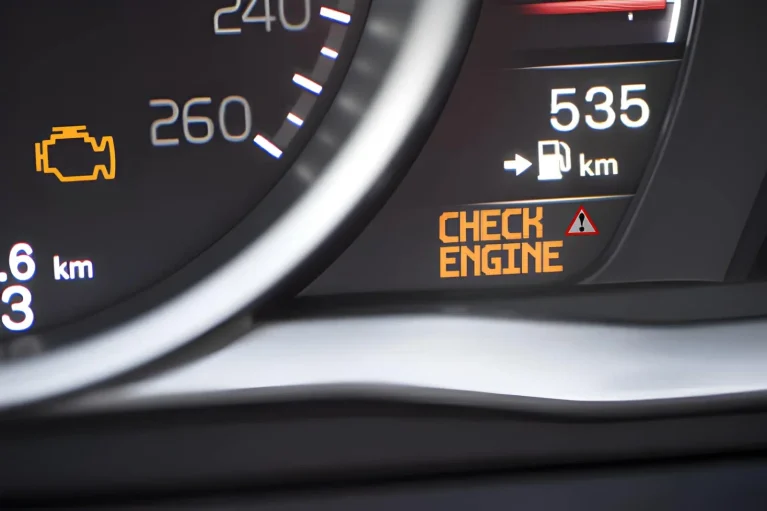
- Battery warning light on the dashboard while driving
- Electrical accessories acting erratically (clock resetting, radio losing presets, windows moving slowly)
- Headlights that are bright with the engine running but dim quickly when the engine is off
- Swollen or bloated battery case (a sign of internal overheating or overcharging)
A single symptom on its own could point to something other than the battery. Slow cranking could be a worn starter. Dim lights could be a bad alternator. But if you are seeing two or more of these symptoms at the same time, the battery is the most likely cause and should be tested before spending money on other components. Our guide on how to test a car alternator covers how to verify whether the alternator is contributing to the problem alongside the battery.
That Dashboard Light Will Not Fix Itself
Airbag warnings, electrical faults, and AC failures get worse the longer you wait. Send us your vehicle details and we will have a quote ready before your next drive.
How To Test a Car Battery at Home?
You can test a car battery with a multimeter for exact readings or without one using observation methods. Here are both approaches.
1. Resting Voltage Test With a Multimeter
Set your multimeter to DC voltage and place the red probe on the positive terminal and the black probe on the negative terminal with the engine off and all accessories off. The battery should have been sitting for at least two hours without the engine running to get a true resting voltage. Read the number on the display and compare it to the ranges below.
This is the most reliable single test you can perform at home. It tells you exactly how much charge the battery is holding without any load on it. A battery that reads 12.4 volts or higher is in good condition. A battery that reads between 12.0 and 12.3 volts is partially discharged and may recover with a full charge. A battery below 12.0 volts is either deeply discharged or has lost enough plate capacity that replacement is needed.
2. Cranking Voltage Test During Startup
Keep the multimeter connected to the battery terminals and have someone start the engine while you watch the voltage reading. During cranking, the voltage will drop as the starter draws heavy current. On a healthy battery, the voltage should not drop below 9.6 volts during the crank. If it drops below 9.6 volts and the engine cranks slowly, the battery cannot deliver enough current for a reliable start and is nearing the end of its life.
Once the engine starts and the alternator begins charging, the voltage should climb to 13.5 to 14.8 volts within a few seconds. If it stays at or below 12.6 volts with the engine running, the problem is the alternator, not the battery. This is why testing both the resting voltage and the cranking voltage together tells you whether the issue is the battery, the alternator, or both.
3. Visual and Physical Inspection
Check the battery terminals for white, green, or blue crusty buildup. This corrosion adds resistance between the battery and the cables, which reduces the current reaching the starter and can mimic a weak battery. Cleaning the terminals with a wire brush and reconnecting them tightly costs nothing and may resolve a slow crank or no start condition without replacing anything.
Inspect the battery case for cracks, bulging, or leaking fluid. A swollen case means the battery has been overcharged or has experienced excessive internal heat. A cracked case leaks acid and creates a safety hazard. Either condition means the battery needs immediate replacement regardless of what the voltage reading shows.
What Do the Battery Voltage Readings Mean?
Interpreting the voltage correctly tells you whether the battery is healthy, needs charging, or needs replacing. Here is a reference table for both resting and cranking readings.
| Resting Voltage (Engine Off) | Battery Condition | Action |
|---|---|---|
| 12.6 to 12.7 volts | Fully charged, healthy | No action needed |
| 12.4 to 12.5 volts | 75% charged, acceptable | Monitor, charge if symptoms appear |
| 12.2 to 12.3 volts | 50% charged, marginal | Charge fully and retest in 24 hours |
| 12.0 to 12.1 volts | 25% charged, weak | Charge fully, if it drops again, replace |
| Below 12.0 volts | Discharged or failing | Replace if it will not hold a charge after charging |
A battery that reads 12.4 volts at rest but drops below 9.6 volts during cranking has lost internal capacity even though its resting voltage looks acceptable. The resting test measures stored charge. The cranking test measures the battery’s ability to deliver that charge under heavy load. Both tests together give the complete picture. A battery can pass one and fail the other, which is why running both matters.
Auto parts stores offer free battery load testing using a dedicated battery analyzer that applies a controlled load and measures how the battery responds. This test is more precise than a multimeter voltage check because it calculates the battery’s remaining cold cranking amps (CCA) against its rated specification. If your multimeter readings are borderline, a free load test at the parts store gives you a definitive pass or fail answer.
What Else Can Kill a Good Battery Besides Age?
A failing alternator is the most common battery killer after age. If the alternator undercharges, the battery never reaches full capacity and sulfation builds up faster. If it overcharges, excess voltage boils the electrolyte and warps the plates. Testing the alternator output alongside the battery test is the most important step in diagnosing a dead battery. A new battery installed under a failing alternator will be dead again within weeks.
A parasitic electrical draw drains the battery while the vehicle is parked. A faulty module that stays awake, an aftermarket alarm that draws too much current, a trunk light that stays on, or a glove box light with a broken switch can all pull enough current overnight to leave the battery dead by morning. Finding a parasitic draw requires an ammeter and a systematic process of pulling fuses one by one to isolate which circuit is draining current. This falls under broader car electrical problems that need a proper diagnostic to resolve.
When a DIY battery test shows the battery is fine but it keeps dying, a professional car electrical diagnostic with proper tools is the next step. Toki Auto Works runs auto electrical diagnostics in California with OEM dealer level software that traces parasitic draws, charging system faults, and module wake issues that basic testing at home cannot catch.
Frequently Asked Questions
1. How often should I test my car battery?
Test it at least twice a year, ideally before summer and before winter. Heat degrades the chemistry and cold reduces cranking power, so seasonal testing catches a weakening battery before it fails during extreme temperatures. If your battery is over three years old, test it every three months.
2. Can a car battery be recharged instead of replaced?
A battery that reads 12.0 to 12.3 volts and has no physical damage can often be recharged with a battery charger and returned to service. If it drops back to the same low voltage within a few days of charging, the internal plates have sulfated beyond recovery and the battery needs replacing.
3. How much does a car battery replacement cost?
A new car battery costs $100 to $250 depending on the size, brand, and cold cranking amp rating. Installation is free at most auto parts stores if you purchase the battery from them. Specialty batteries for European vehicles or vehicles with start stop systems can cost $200 to $400.
4. Will a car battery recharge itself while driving?
The alternator recharges the battery while the engine is running. A 20 to 30 minute drive at highway speed is enough to restore most of the charge used during startup. Short trips under 10 minutes do not give the alternator enough time to fully recharge the battery, which is why frequent short trips shorten battery life.
5. Can extreme heat damage a car battery?
Yes. Heat accelerates the chemical reaction inside the battery, which speeds up plate degradation and electrolyte evaporation. Batteries in hot climates typically last three years compared to four to five years in cooler regions.
Get a Straight Answer Before You Spend a Dollar
No guesswork, no upsell. Tell us the problem and we will run it through the same OEM software your dealership uses, then give you an honest quote. Family owned, 5.0 stars, 128 reviews.