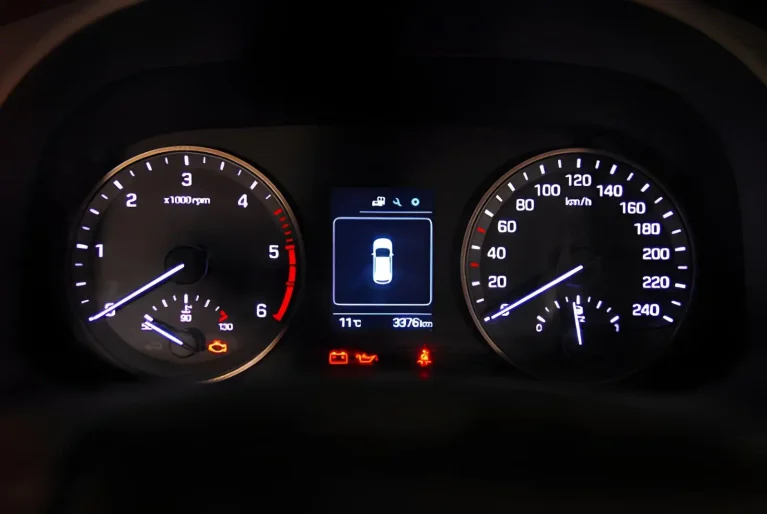
A parasitic battery drain is an electrical fault that slowly discharges your car battery while the vehicle is parked and turned off. Normal vehicles draw 20 to 50 milliamps with the engine off to keep the clock, security system, and module memory alive. A parasitic drain pulls significantly more than that, often 200 to 500 milliamps or higher, which is enough to kill a healthy battery overnight or within a few days. Finding the drain requires a multimeter set to measure amperage and a systematic process of pulling fuses one at a time until the draw drops.
This guide walks you through identifying whether you have a parasitic drain, how to find which circuit is causing it, and how to fix it once you find it.
What Is a Parasitic Battery Drain?
Every vehicle has a small amount of electrical draw when the engine is off. The body control module, the security system, the clock, and the radio preset memory all need a trickle of power to maintain their settings. This normal draw, called quiescent current, typically sits between 20 and 50 milliamps depending on the vehicle. At this level, a healthy battery can sit for weeks without losing enough charge to affect starting.
A parasitic drain exists when something in the electrical system draws more current than normal after the vehicle is shut off. A faulty module that never goes to sleep, a relay that stays energized, a trunk light that stays on with the lid closed, or an aftermarket accessory wired directly to battery power instead of switched power can all pull 200, 300, or even 500 milliamps continuously. At 300 milliamps, a standard 60 amp hour car battery loses enough charge in 48 to 72 hours to prevent the engine from starting.
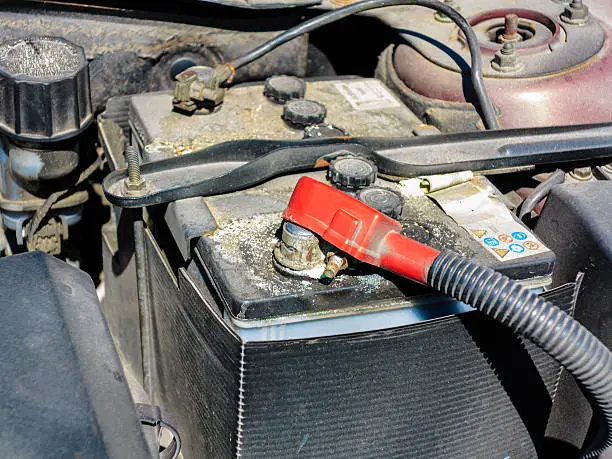
The frustrating part about a parasitic drain is that the vehicle starts and runs perfectly fine. The battery charges normally while driving, the alternator tests good, and every system works as expected. The problem only shows up after the vehicle sits parked for several hours or overnight. This is why many drivers replace the battery first, thinking it failed, only to find the new battery dead within the same timeframe. Our guide on how to test a car battery covers how to confirm the battery itself is healthy before chasing a drain.
What Causes a Parasitic Battery Drain?
Four common sources account for most parasitic drains. Here is each cause and how it draws power when it should not.
1. Faulty Control Modules That Stay Awake
Modern vehicles have 20 to 40 electronic control modules that are supposed to enter a low power sleep mode within a few minutes of the engine being turned off. If one module fails to sleep, it stays active and continues drawing full operating current from the battery. The infotainment system, the body control module, the telematics module, and aftermarket alarm controllers are the most common modules that develop wake faults.
A module that stays awake can draw 200 to 500 milliamps on its own, which is enough to drain the battery overnight. Diagnosing a module wake fault requires a scan tool that can check the sleep status of each module individually or an amperage test that isolates the module’s circuit through its fuse.
2. Aftermarket Accessories Wired Incorrectly
Aftermarket stereos, amplifiers, dash cameras, remote start systems, LED light kits, and phone chargers are one of the most common sources of parasitic drain. The issue is almost always the wiring. When an accessory is wired directly to a constant power source (battery or a fuse that is always hot) instead of a switched ignition source, it stays powered even when the vehicle is off.
A dash camera left running 24/7 on parking mode can draw 200 to 400 milliamps. An amplifier with a faulty relay that never shuts off pulls even more. The fix is usually rewiring the accessory to a switched power source that only has power when the ignition is on. If the accessory was installed by a shop, bring it back to them for the correction.
3. Interior Lights Stuck On
A trunk light, glove box light, or underhood light with a faulty switch or misaligned striker can stay illuminated with the compartment closed. You cannot see the light from outside because the compartment is sealed, but the bulb draws 5 to 15 watts continuously. A single 10 watt bulb draws roughly 800 milliamps, which will kill a battery in under 12 hours.
This is one of the easiest causes to find because the bulb produces heat. After the vehicle has been sitting for 30 minutes with the engine off, open each compartment and feel the bulb. A bulb that is warm or hot has been on the entire time. Replace the switch or adjust the striker so the light turns off when the compartment closes fully.
4. Failing Relays That Stay Energized
Relays are electromagnetic switches that control high current circuits like the fuel pump, cooling fans, headlights, and AC compressor. A relay that welds its internal contacts shut stays energized after the ignition is turned off and continues powering whatever circuit it controls. A stuck fuel pump relay, for example, keeps the fuel pump primed and drawing current until the battery dies.
A failing relay sometimes makes a faint clicking or buzzing noise that you can hear with the engine off if you listen near the fuse box. Swapping the suspected relay with an identical one from a non critical circuit (like the horn relay if it shares the same part number) is a quick test. If the drain stops after the swap, the relay was the cause and a $15 replacement solves it.
That Dashboard Light Will Not Fix Itself
Airbag warnings, electrical faults, and AC failures get worse the longer you wait. Send us your vehicle details and we will have a quote ready before your next drive.
How To Find a Parasitic Battery Drain? Step by Step
Finding the source requires a multimeter and a process of elimination. Here is the method that professional technicians use to isolate the circuit.
1. Set Up Your Multimeter for Amperage Testing
Set your multimeter to the DC amps setting. Most automotive multimeters have a 10A or 20A maximum range for amperage testing. Disconnect the negative battery cable from the terminal. Connect the red multimeter lead to the negative battery terminal and the black lead to the disconnected cable end.
Wait 10 to 15 minutes before reading the number. Many modules take several minutes to enter sleep mode after the battery is reconnected, and opening a door or turning on the ignition during setup resets the timer. Do not open any doors, press any buttons, or insert the key during the waiting period. After 15 minutes, the display should show the vehicle’s true quiescent current.
2. Pull Fuses One at a Time to Isolate the Circuit
With the multimeter still connected and showing the elevated draw, go to the fuse box and start pulling fuses one at a time. Pull a fuse, check the meter reading, and if the reading does not drop, put the fuse back and move to the next one. When you pull a fuse and the reading drops significantly (100 milliamps or more), you have found the circuit that is causing the drain.
Write down which fuse caused the drop and what circuits it protects. The fuse box cover or your owner’s manual lists which components are on each fuse. A single fuse may protect multiple components on the same circuit, so the fuse label narrows the search but may not pinpoint the exact component. If the fuse is labeled “Interior Lights / BCM / Courtesy,” you know the drain is on that circuit but still need to identify which specific component on that circuit is the culprit.
3. Narrow Down the Exact Component
Once you know which fuse circuit carries the drain, disconnect the components on that circuit one at a time until the draw drops. If the fuse covers the radio and the amplifier, disconnect the amplifier first and check the meter. If the draw drops, the amplifier or its wiring is the cause. If it stays the same, reconnect the amplifier and disconnect the radio. This process of elimination identifies the exact component pulling current.
For circuits that feed control modules, the component may not have a physical connector you can easily reach. Module wake faults on the body control module, the infotainment system, or the telematics unit often require a scan tool to read the module’s sleep status and determine why it is not entering low power mode.
How To Fix a Parasitic Battery Drain Once You Find It?
The fix depends on what is causing the drain. A stuck light switch costs $10 to replace. A welded relay costs $15. Rewiring an aftermarket accessory to a switched power source costs $50 to $100 at an installation shop. These are all straightforward fixes that match straightforward causes.
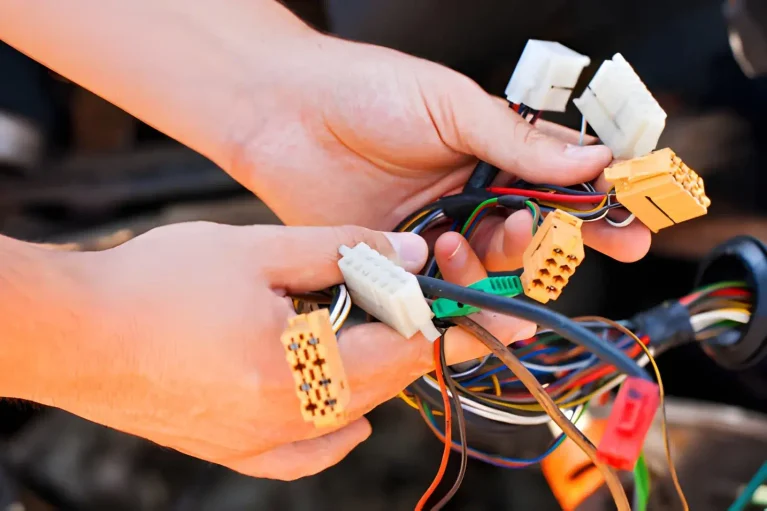
Module wake faults and wiring shorts are harder. A module that refuses to sleep may need a software update, a wiring harness replacement for a corroded connector that is feeding it a wake signal, or in some cases a module replacement. A wiring short that keeps current flowing through a circuit after shutdown requires tracing the circuit with manufacturer wiring diagrams to find where the insulation is damaged or where two wires are making contact. The wiring harness replacement cost depends on how deep the damage sits and how much of the harness is affected.
When the DIY fuse pull test points to a module circuit but you cannot isolate the component, a professional diagnostic is the fastest path forward. A technician with an amp clamp and a wiring diagram can test individual wires on the circuit without pulling the entire fuse, which narrows the search to the exact wire carrying the current.
Toki Auto Works runs auto electrical diagnostics in California with OEM dealer level software and manufacturer wiring diagrams that trace parasitic drains to the exact source, whether it is a module wake fault, a wiring short, or an aftermarket installation error. If the drain has already killed the battery, our guide on how to test a car alternator covers how to verify the charging system is healthy before starting the drain test.
Frequently Asked Questions
1. How do I know if I have a parasitic battery drain?
If your battery dies after the vehicle sits parked for one to three days, starts fine after a jump or charge, and the alternator tests good, a parasitic drain is the most likely cause. A multimeter amperage test confirms it.
2. How many milliamps is too much for a parasitic drain?
Most vehicles should draw 20 to 50 milliamps with the engine off and all modules in sleep mode. Anything above 75 milliamps is worth investigating. Above 200 milliamps will noticeably shorten battery life. Above 500 milliamps can kill a battery overnight.
3. Can a parasitic drain damage my battery permanently?
Yes. Repeated deep discharges accelerate sulfation on the lead plates inside the battery, which permanently reduces its capacity. A battery that has been drained to zero multiple times may no longer hold a full charge even after the parasitic drain is fixed.
4. Will disconnecting the battery stop a parasitic drain?
Yes, but it is not a fix. Disconnecting the negative terminal when the vehicle is parked prevents the drain from reaching the battery, but it also resets the clock, radio presets, and adaptive learning data in the control modules.
5. Can an aftermarket alarm cause a parasitic drain?
Yes. Aftermarket alarm systems are one of the most common sources of parasitic drain because they remain active 24/7 and are often wired directly to constant battery power. A faulty alarm module or a poorly wired installation can draw 200 to 500 milliamps continuously.
Get a Straight Answer Before You Spend a Dollar
No guesswork, no upsell. Tell us the problem and we will run it through the same OEM software your dealership uses, then give you an honest quote. Family owned, 5.0 stars, 128 reviews.