TCM programming writes vehicle specific software to the transmission control module so it knows how and when to shift gears for your exact engine, drivetrain, and driving conditions. Every automatic transmission in a modern vehicle relies on the TCM to control shift points, torque converter lockup, line pressure, and adaptive learning. When the TCM is replaced, loses its software after a voltage event, or needs an update to fix a shift quality problem, programming loads the correct calibration files from the manufacturer’s database. The process costs $100 to $300 at most shops and takes 30 to 60 minutes.
This guide explains what TCM programming involves, when your vehicle needs it, what it costs, and what happens if you skip it.
What Is a Transmission Control Module and What Does It Do?
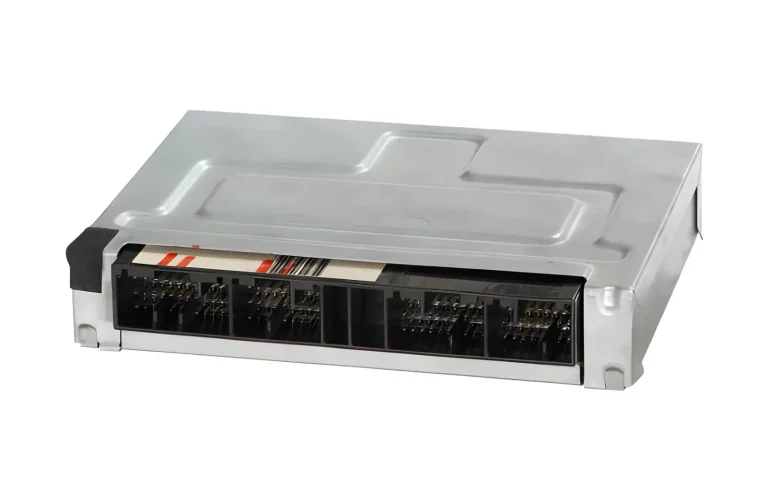
The transmission control module is the computer that manages your vehicle’s automatic transmission. It receives input from sensors inside the transmission, from the engine control module, and from the throttle position sensor to decide when to shift, how firmly to shift, and when to lock the torque converter. Every shift you feel while driving, from first gear through overdrive, is commanded by the TCM based on calculations it makes using engine load, vehicle speed, throttle input, and transmission fluid temperature.
The TCM also stores adaptive shift data that it builds over thousands of miles of driving. This learned data adjusts shift timing and pressure to compensate for normal clutch wear, fluid degradation, and individual driving patterns. A transmission with 80,000 miles shifts differently than the same transmission with 5,000 miles because the TCM has adapted its calibration to match the current condition of the clutch packs and bands.
The TCM communicates with the engine control module through the CAN bus network, the same data highway that connects every electronic module in the vehicle. The engine control module sends RPM, throttle position, and engine load data that the TCM uses to calculate shift timing. For a full breakdown of how the engine control module manages this network, our guide on what is an ECM in a car explains the CAN bus system and how modules share data.
What Does TCM Programming Involve?
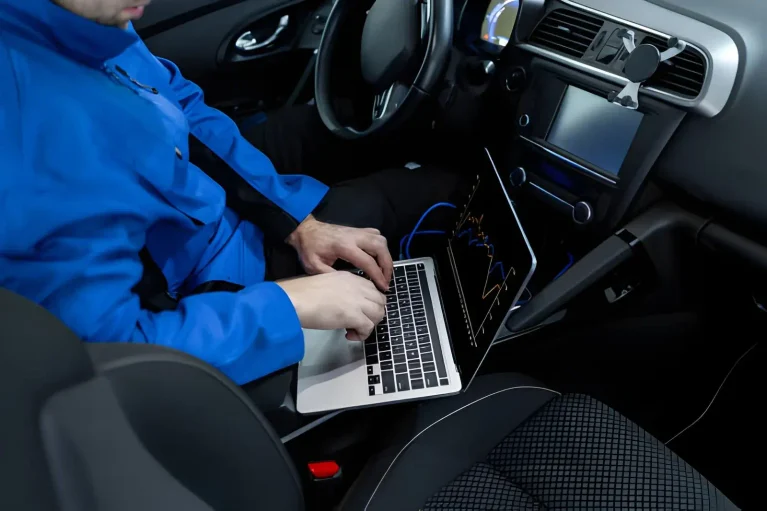
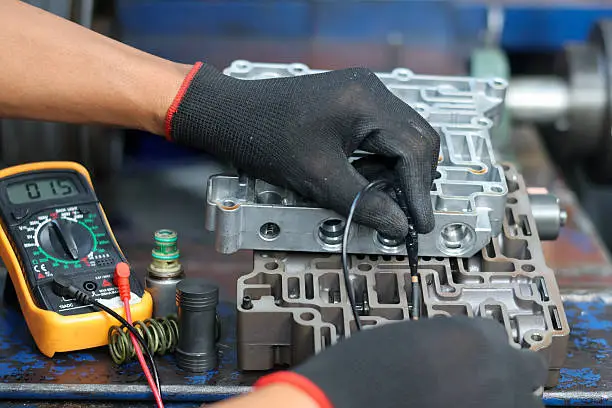
TCM programming connects to the transmission control module through the OBD2 diagnostic port and writes the correct software and calibration files from the manufacturer’s database. The technician selects the vehicle’s make, model, year, engine, and transmission type, and the software downloads the matching calibration. That calibration tells the TCM when to shift at every combination of speed, load, throttle position, and fluid temperature, along with the correct line pressures and torque converter lockup schedules.
The programming process includes three layers. The base operating software gives the module its core functionality. The transmission calibration sets the shift schedules, pressure curves, and adaptive learning parameters specific to your transmission model. The vehicle configuration matches the TCM to your engine size, axle ratio, and drivetrain layout so the shift points align with the engine’s power band.
On vehicles with a standalone TCM, the programming is separate from the engine control module. On vehicles with a combined PCM, the same programming session covers both engine and transmission calibrations in one file. BCM programming follows a similar process for body electronics, and all three modules can be programmed in the same appointment if the shop has OEM level software access.
That Dashboard Light Will Not Fix Itself
Airbag warnings, electrical faults, and AC failures get worse the longer you wait. Send us your vehicle details and we will have a quote ready before your next drive.
When Does Your Vehicle Need TCM Programming?
Four situations require TCM programming. Here is each one and what happens to the transmission if the programming is skipped.
1. After TCM Replacement
A new or used replacement TCM ships without your vehicle’s calibration data. A new module is blank. A used module contains the calibration and adaptive data from its previous vehicle, which does not match your engine, axle ratio, or transmission condition. Installing either one without programming results in harsh shifts, delayed shifts, shifts at the wrong RPM, or the transmission refusing to shift out of second gear entirely.
Every replacement TCM must be programmed to your specific VIN before the transmission will shift correctly. The programming process writes the correct shift schedules and pressure curves to the module and clears any stored data from a previous vehicle. Our guide on how much does it cost to reprogram a car computer covers programming pricing across ECM, TCM, and BCM modules.
2. After a Transmission Rebuild or Swap
A transmission rebuild replaces internal clutch packs, bands, seals, and sometimes the valve body. These new components have different friction characteristics and tolerances than the worn parts they replaced. The TCM’s adaptive data was built around the old components and no longer matches the rebuilt transmission. Without reprogramming, the TCM applies the old adaptive pressures to new components, causing flare shifts, harsh engagement, or slipping.
A transmission swap from a different vehicle may also require a different calibration if the replacement transmission is from a different model year or has a different gear ratio set. The TCM needs to know which transmission it is controlling. Programming loads the correct calibration for the specific unit installed and resets the adaptive learning so the module starts fresh with the rebuilt or swapped transmission.
3. After Battery Disconnect or Voltage Event
On some vehicles, disconnecting the battery or experiencing a severe voltage drop erases the TCM’s adaptive shift data and can corrupt the base calibration. The transmission shifts differently after a battery replacement because the learned adjustments it built over thousands of miles are gone. The module reverts to its factory default shift schedule, which may feel harsh or delayed compared to the refined shifts the vehicle had before.
In most cases, the adaptive data rebuilds itself over 50 to 100 miles of normal driving and the shifts return to normal without any programming. If the shifts do not improve after several hundred miles, or if the transmission develops new symptoms like flare shifts, gear hunting, or a check engine light with transmission codes, the TCM may have lost more than just its adaptive data.
4. When the Transmission Has Shift Quality Complaints
Manufacturers release TCM software updates to fix known shift quality issues discovered after the vehicle was sold. A harsh 1 to 2 shift, a delayed 3 to 4 shift, torque converter shudder at highway speed, or gear hunting on hills can all be addressed by a calibration update from the manufacturer. These updates adjust the pressure curves and shift timing for the specific condition the factory engineers identified and resolved.
Dealerships apply these updates for free if the vehicle is under warranty or if the update is classified as a customer satisfaction campaign. Independent shops with OEM software access through a J2534 passthrough device can apply the same updates. Before authorizing any internal transmission work for a shift complaint, always check whether a TCM software update exists for your specific symptom. A $150 reflash that fixes a known calibration issue saves thousands compared to an unnecessary transmission rebuild.
How Much Does TCM Programming Cost?
TCM programming pricing depends on the shop type and whether the vehicle needs a reflash only or full module programming after a replacement. Here is what each service typically costs.
| Service | Dealer Cost | Independent Shop Cost |
|---|---|---|
| TCM reflash (software update only) | $150 to $300 | $100 to $200 |
| TCM programming after replacement | $150 to $350 | $100 to $250 |
| TCM adaptive reset (learned data only) | $50 to $100 | $50 to $80 |
| TCM + ECM programming (bundled) | $250 to $500 | $150 to $350 |
Dealerships charge more because they bill at their standard labor rate and add a software access fee on top. Independent shops with J2534 passthrough devices and manufacturer software subscriptions access the same calibration database and perform the same procedure. The result is identical. The only difference is the labor rate applied to the programming time.
The most important step before any TCM programming is a proper car electrical diagnostic that confirms the transmission problem is actually software related and not a mechanical or hydraulic fault inside the transmission. A shift complaint caused by a worn clutch pack or a stuck valve body solenoid will not improve with a reflash. Toki Auto Works covers auto electrical diagnostics in California with OEM dealer level software that distinguishes between software faults and mechanical failures before any programming or parts are authorized.
Frequently Asked Questions
1. What are the symptoms of a TCM that needs programming?
Harsh or delayed shifts, the transmission stuck in one gear (limp mode), gear hunting on hills or at highway speed, torque converter shudder, and a check engine light with transmission related codes like P0700, P0730, or P0750.
2. Can I drive with a bad TCM?
The vehicle may drive in limp mode, which locks the transmission in second or third gear to protect itself from further damage. You can get to a shop safely in limp mode, but driving extended distances risks overheating the transmission because it cannot shift into overdrive or lock the torque converter.
3. Does a new TCM need to be programmed?
Yes. A new TCM is blank and contains no calibration data for any vehicle. Without programming, the transmission will not shift correctly and may not shift at all. A used TCM also needs reprogramming because it contains another vehicle’s data.
4. How long does TCM programming take?
A reflash takes 30 to 45 minutes. Full programming after a module replacement takes 45 to 60 minutes. Add 15 to 30 minutes if the vehicle also needs an adaptive learning reset and a test drive to verify shift quality after the programming is complete.
5. Is TCM programming the same as a transmission reset?
No. A transmission reset clears the adaptive learned data and returns the shift calibration to factory defaults. TCM programming writes new software and calibration files to the module itself. A reset adjusts the existing software. Programming replaces it.
Get a Straight Answer Before You Spend a Dollar
No guesswork, no upsell. Tell us the problem and we will run it through the same OEM software your dealership uses, then give you an honest quote. Family owned, 5.0 stars, 128 reviews.