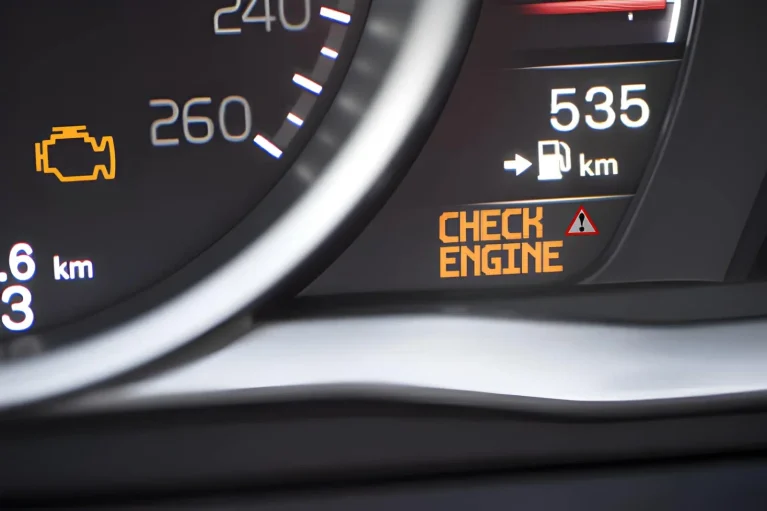
You can reset your check engine light by disconnecting the battery for 15 to 30 minutes, using an OBD2 scanner to clear the codes, or driving through three to four complete drive cycles after a repair. Some vehicles also let you reset it through the ignition key cycle method without any tools. However, clearing the light without fixing the underlying problem will bring it right back within a few days. The right approach is to identify the fault code first, complete the repair, and then reset the light.
This guide walks you through every reset method step by step, explains when each one works best, and covers what to avoid so you do not create bigger problems.
When Should You Reset Your Check Engine Light?
Resetting your check engine light should always come after a repair, not before. The light exists to warn you about a real problem in the engine, emissions, or powertrain system. When you clear the code without fixing the cause, the onboard diagnostic system runs its self-check again and turns the light right back on within one to three drive cycles. All you did was buy yourself a few days of silence while the original problem keeps doing damage under the hood.
The right time to reset the check engine light is after you or your mechanic has completed the repair and confirmed the fix. For example, if you replace a failing oxygen sensor, clearing the old code lets the system start fresh and verify that the new sensor is working properly. Our detailed guide on why my check engine light on covers the most common fault codes and what each one means, so you can identify the problem before attempting a reset.
There are a few situations where a reset makes sense even without a repair. If the light came on after a battery replacement, a fuel fill-up, or a temporary voltage drop, the stored code may be a one-time event that will not return.
How To Reset Check Engine Light: 5 Proven Methods
Each method works in different situations depending on your vehicle, the tools you have, and whether the repair is already done. Here is a breakdown of every reset method with step-by-step instructions.
Method 1: Disconnect the Battery
This is the most common reset method and works on almost every vehicle. Turn off the engine and open the hood. Use a wrench to disconnect the negative battery terminal, which is the black cable marked with a minus sign. Wait 15 to 30 minutes so the vehicle’s capacitors drain completely and the engine control module clears its stored memory. Reconnect the terminal, start the engine, and the light should be off.
The downside of this method is that it erases more than just the check engine code. Your radio presets, clock, seat memory positions, and any adaptive learning data stored in the engine control module will all reset. Our resource on what is an ECM in a car explains exactly what this module does and why losing its learned data affects idle speed and shift quality for the first few drives.
Method 2: Use an OBD2 Scanner
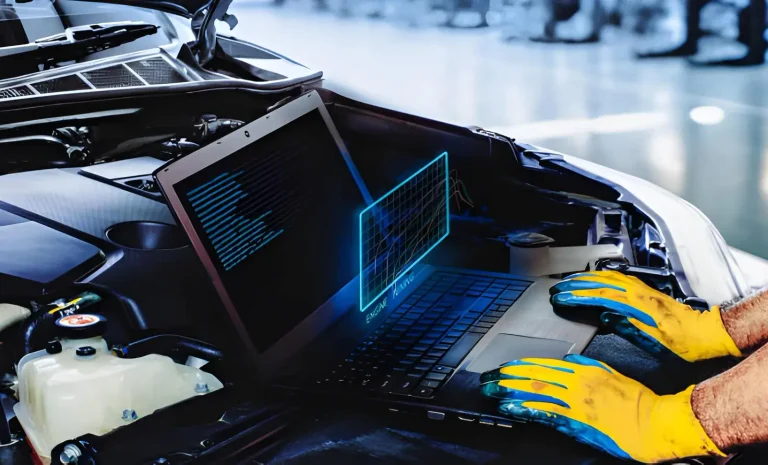
An OBD2 scanner is the cleanest and most precise way to reset your check engine light. Plug the scanner into the OBD2 port, which sits under the dashboard on the driver’s side. Turn the ignition to ON without starting the engine. Select “Read Codes” to see what fault triggered the light, write down the code, then select “Clear Codes” or “Erase.” Start the engine and confirm the light is off.
Basic OBD2 scanners cost $20 to $50 and handle code reading and clearing on any vehicle made after 1996. Advanced scanners in the $100 to $300 range show live sensor data, freeze frame information, and allow you to check if the vehicle is ready for an emissions test. Auto parts stores like AutoZone and O’Reilly will scan and clear your codes for free if you do not own a scanner.
Method 3: Drive Through Complete Drive Cycles
If you have already fixed the problem, you do not have to manually reset anything. The onboard diagnostic system runs a series of self-tests called drive cycles every time you drive the vehicle. Once all the monitors pass, the system clears the old code and turns off the light on its own. This usually takes one to three complete drive cycles, which means a mix of city and highway driving over two to three days.
This is the safest reset method because the light only goes off when the system confirms the problem is actually fixed. If the code comes back, you know the repair did not solve the issue. Most emissions testing stations also check that all OBD2 monitors are in a “ready” state, and a manual code clearly resets those monitors to “not ready.”
Method 4: Ignition Key Cycle Method
Some vehicles let you clear stored codes by cycling the ignition key in a specific pattern. This method works on many Chrysler, Dodge, Jeep, and RAM models. Turn the key to ON without starting the engine, then back to OFF. Repeat this three times and leave it in the ON position on the third turn. The dashboard may flash or display codes before clearing them. Check your owner’s manual to confirm whether your vehicle supports this method.
This approach does not work on every make and model, and it is less reliable than using an OBD2 scanner. On some vehicles, the key cycle only displays the codes without clearing them. You can also check engine light codes without a scanner using this same key cycle technique on supported vehicles, which serves double duty by showing you the fault and sometimes clearing it in the same process. But for a guaranteed reset, a scanner or battery disconnect is more dependable.
Method 5: Use a Smartphone OBD2 Adapter
A Bluetooth or Wi-Fi OBD2 adapter paired with a smartphone app is a modern alternative to a standalone scanner. Plug the adapter into the OBD2 port, connect it to an app like Torque, BlueDriver, or FIXD on your phone, and you can read and clear codes from your driver’s seat. Most adapters cost $15 to $40 and work on any vehicle with a standard OBD2 port.
Smartphone apps often provide more detail than a basic scanner, including plain-language explanations of each code, severity ratings, and repair cost estimates. Some apps also track your drive cycle readiness monitors, which is useful if you are preparing for a smog check. The adapter stays plugged in and can alert you in real time if a new code appears, turning your phone into a permanent diagnostic dashboard.
What Happens If the Check Engine Light Comes Back?
A returning check engine light after a reset means the original problem is still there or the repair did not fully fix it. Do not keep clearing the code hoping it will go away. Each time the system detects the same fault, it stores the code again and may set the light to a more persistent state that is harder to clear. Repeated resets without a fix can also mask a worsening condition that leads to more expensive damage down the road.
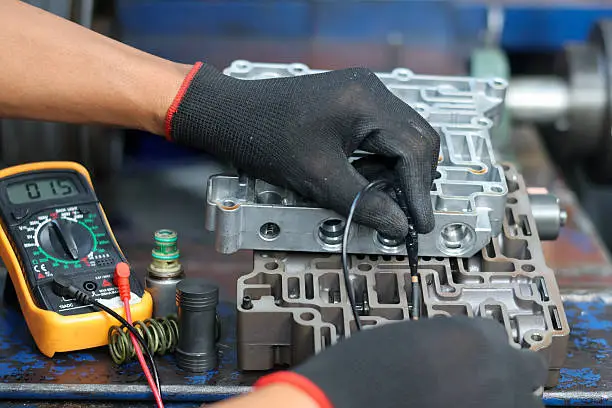
If the same code keeps returning, the issue may go deeper than the part you replaced. A new oxygen sensor will not fix the problem if the real cause is a damaged wiring harness sending bad signals to the sensor. The wiring harness replacement cost depends on how much of the harness needs repair, but catching it early prevents the damage from spreading to the engine control module. When the light returns with a different code than the one you cleared, your vehicle may have more than one issue.
Toki Auto Works performs auto electrical diagnostics in California with OEM dealer-level software that goes beyond reading codes, it identifies the root cause behind your check engine light so the reset actually sticks. If the diagnosis turns out to be wrong, they re-diagnose at no extra charge.
Frequently Asked Questions
Q. How long does it take for a check engine light to reset after a repair?
Most vehicles clear the light within one to three complete drive cycles after the problem is fixed. A drive cycle includes a mix of city and highway driving. You can also clear it immediately with an OBD2 scanner after confirming the repair.
Q. Will resetting the check engine light pass emissions?
Clearing codes right before a smog test will not work. The test checks that all OBD2 monitors are in a “ready” state, and a recent reset sets them to “not ready.” You need to drive through full cycles after the repair so all monitors complete before testing.
Q. Can I reset the check engine light without fixing the problem?
You can, but the light will come back within a few days once the diagnostic system reruns its self-check. Clearing codes without a repair only delays the warning and can lead to more expensive damage if the issue worsens.
Q. Does disconnecting the battery hurt my car?
No, it will not damage your vehicle. But it will erase radio presets, clock settings, and adaptive learning data in the engine control module. The car may idle rough for a few drives while the computer relearns your driving patterns.
Q. When should I take my car to a professional instead of resetting the light myself?
If the same code keeps coming back, if you see multiple codes across different systems, or if the check engine light is flashing, you need a professional diagnostic. Broader car electrical problems like damaged wiring and module communication faults require OEM-level tools and manufacturer wiring diagrams to diagnose properly.
Get a Straight Answer Before You Spend a Dollar
No guesswork, no upsell. Tell us the problem and we will run it through the same OEM software your dealership uses, then give you an honest quote. Family owned, 5.0 stars, 128 reviews.