Wiring harness replacement cost ranges from $200 for a single door harness repair to over $2,000 for a full engine harness replacement depending on the vehicle type, the harness location, and how much of the harness is damaged. Most wiring repairs do not require replacing the entire harness. Targeted repairs to individual wires, connectors, and splices run $100 to $500 and solve the problem without the cost of a full harness swap. A full engine or dashboard harness replacement is only necessary when the damage is too widespread for targeted repairs.
This guide breaks down what every type of wiring harness repair and replacement costs, what causes harness damage in the first place, and when a targeted repair is enough versus when full replacement is the only option.
What Is a Car Wiring Harness and Why Does It Fail?
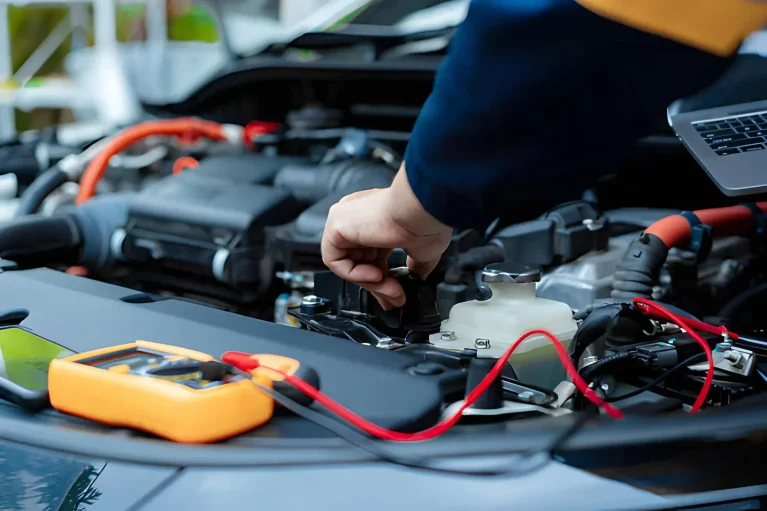
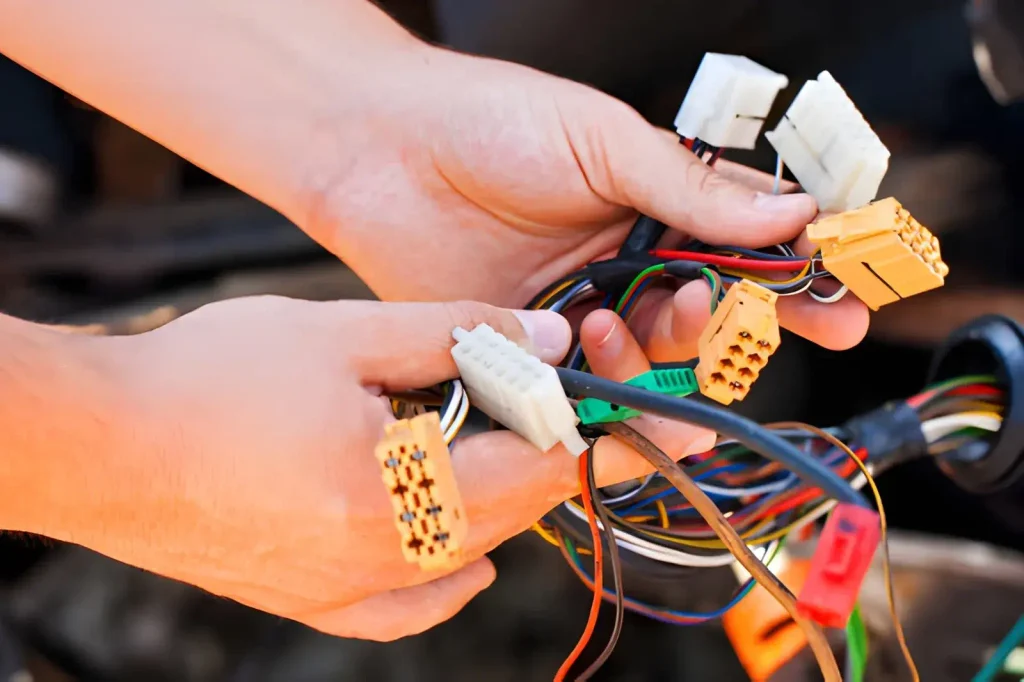
A wiring harness is a bundled assembly of wires, connectors, and protective sheathing that carries electrical signals and power between every component in your vehicle. A modern car contains 40 to 50 pounds of wiring organized into several harness sections: the engine harness, the body harness, the dashboard harness, individual door harnesses, and the chassis harness that runs underneath the vehicle. Each section connects sensors, modules, motors, lights, and switches to the power source and to each other through the CAN bus communication network.
Wiring harnesses fail for reasons that have nothing to do with how you drive. Rodents chew through the insulation to nest inside the engine bay. Moisture enters connectors and corrodes the pins over years of exposure. Wires routed near the exhaust system lose their insulation from heat. Vibration causes wires to chafe against metal brackets until the copper inside shorts against the vehicle’s body.
The symptoms of a damaged wiring harness look like almost any other car electrical problem because the wires connect to every system in the vehicle. A chewed wire to an oxygen sensor triggers a check engine light. A corroded ground connector causes multiple warning lights at once. A heat-damaged wire to a fuel injector causes a misfire on one cylinder.
How Much Does Wiring Harness Replacement Cost by Vehicle?
Wiring harness cost depends on which section of the harness is damaged and how much labor is needed to access it. Here is what each type of harness repair and replacement runs across different vehicle categories.
| Harness Type | Sedan Cost | Truck/SUV Cost | What It Connects |
|---|---|---|---|
| Single wire splice repair | $80 – $200 | $100 – $250 | One damaged wire fixed in place |
| Connector repair or replacement | $100 – $300 | $120 – $400 | Corroded or melted connector replaced |
| Door harness replacement | $150 – $400 | $200 – $500 | Windows, locks, mirrors, speakers |
| Tail light or rear harness | $150 – $500 | $200 – $600 | Tail lights, rear sensors, backup camera |
| Engine harness (partial) | $300 – $800 | $400 – $1,000 | Section of engine sensors and injectors |
| Engine harness (full) | $800 – $1,500 | $1,000 – $2,000 | All engine sensors, injectors, ignition coils |
| Dashboard harness | $500 – $1,200 | $600 – $1,500 | Instrument cluster, HVAC, body module |
| Chassis or underbody harness | $400 – $1,000 | $500 – $1,200 | ABS sensors, fuel pump, exhaust sensors |
The part cost for a wiring harness is only half the bill. Labor is the other half, and it varies dramatically based on how difficult the harness is to reach. A door harness takes 30 to 60 minutes to replace because the door panel comes off with a few clips and screws. An engine harness takes 4 to 8 hours because every sensor, injector, and coil connection must be disconnected, the old harness pulled out, and the new one routed and reconnected in the exact same path.
Dashboard harness replacement is the most labor-intensive job on this list. The entire dashboard must come out to access the harness routing behind it, which adds 6 to 10 hours of labor on some vehicles. The part itself might cost $200 to $400, but the labor to remove the dashboard, swap the harness, and reassemble everything pushes the total to $500 to $1,500.
That Dashboard Light Will Not Fix Itself
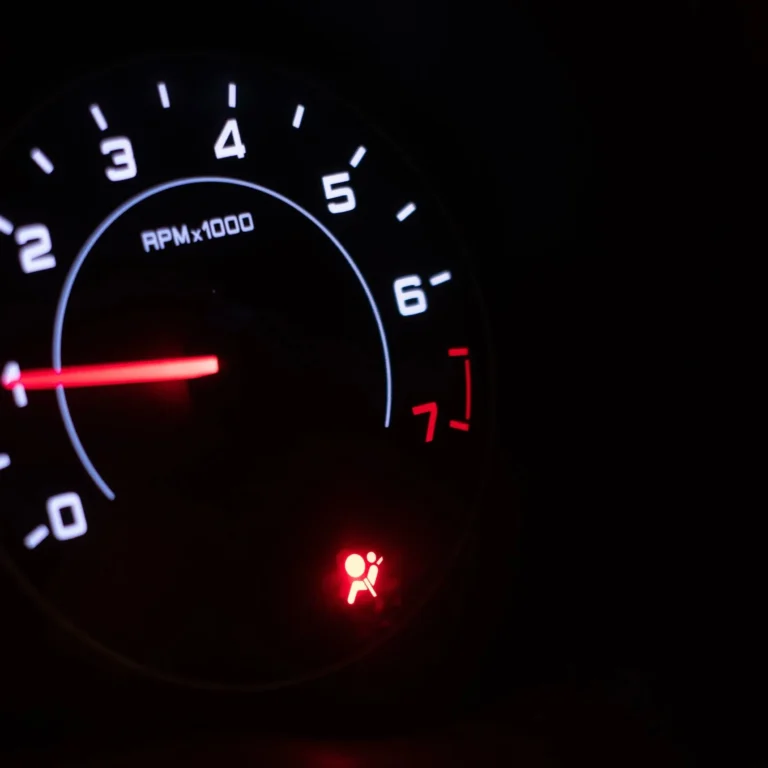
Airbag warnings, electrical faults, and AC failures get worse the longer you wait. Send us your vehicle details and we will have a quote ready before your next drive.
What Causes Wiring Harness Damage?
Four main causes account for nearly all wiring harness failures. Here is how each one damages the harness and what the repair typically involves.
1. Rodent and Animal Damage
Rodents are the most common cause of wiring harness damage in vehicles that sit parked for extended periods or are stored in garages near fields and wooded areas. Mice, rats, and squirrels chew through wiring insulation to sharpen their teeth and to gather nesting material. Modern vehicles use soy-based wire coatings that rodents find especially attractive, which has increased the frequency of this problem over the past decade.
Rodent damage is unpredictable because the animal chews wherever it finds access. A single mouse can damage wires across the engine harness, firewall connectors, and cabin wiring in one nesting session. Repairs range from $100 for a few chewed wires to $1,500 or more when the damage spans multiple harness sections.
2. Corrosion and Moisture
Corrosion builds up on connector pins and wire terminals when moisture enters the harness through cracked seals, damaged connector housings, or condensation from temperature changes. Salt exposure in winter climates accelerates corrosion on chassis and underbody harness connectors. The corroded connection adds resistance to the circuit, which causes voltage drops that make sensors send inaccurate data and modules store fault codes.
Connector corrosion is one of the most common reasons a sensor replacement does not fix the problem. The shop replaces a sensor that tested bad, but the real issue was the corroded connector feeding it a weak signal. A proper diagnostic catches this by testing the circuit at the connector before condemning the sensor. Individual connector repairs run $100 to $300 and solve the problem without touching the sensor or the harness.
3. Heat and Chafing
Wires routed near the exhaust system absorb heat that degrades the insulation over time. Once the insulation cracks or melts, the exposed copper inside can short against nearby metal, causing blown fuses, intermittent faults, and in some cases smoke or fire. Chafing happens when a wire rests against a metal bracket or panel edge and vibration slowly wears through the insulation over thousands of miles.
Heat and chafing damage is most common on high-mileage vehicles where the insulation has been exposed to engine bay temperatures for years. Repairs involve re-insulating the damaged section with heat shrink tubing or replacing the affected wire run entirely. The cost runs $100 to $400 depending on how many wires are affected and how accessible the damage is.
4. Collision and Accident Damage
A collision can crush, tear, or sever wiring harness sections depending on where the impact occurred. Front-end collisions frequently damage the engine harness and the headlight harness. Side impacts damage door harnesses. Rear impacts damage the tail light and rear sensor harness. The harness damage is often discovered during the body repair process when components that were not directly hit refuse to work because their wiring was stretched or pinched during the impact.
Collision harness repairs are typically handled alongside other post-collision restoration work. An airbag module reset is often needed at the same time because the SRS module stores crash data during the same event that damaged the wiring. Repairing both the harness and the module in one visit avoids double labor charges and gets every system restored together.
Should You Repair or Replace the Wiring Harness?
The decision between a targeted repair and a full harness replacement comes down to how much of the harness is damaged and where the damage sits. A single chewed wire, a corroded connector, or a heat-damaged section can be repaired in place for $100 to $500. The technician cuts out the damaged section, splices in new wire with solder and heat shrink, replaces the connector if needed, and the circuit is restored. This is the right approach when the damage is isolated to one area.
Full replacement becomes necessary when the damage is too widespread for targeted repairs to be reliable. A harness with rodent damage across 10 or more wires, a harness where corrosion has reached the internal splices that cannot be accessed without pulling the entire assembly, or a harness where heat damage has degraded the insulation across its full length are all cases where patching individual wires costs more in repeated labor than replacing the entire section once.
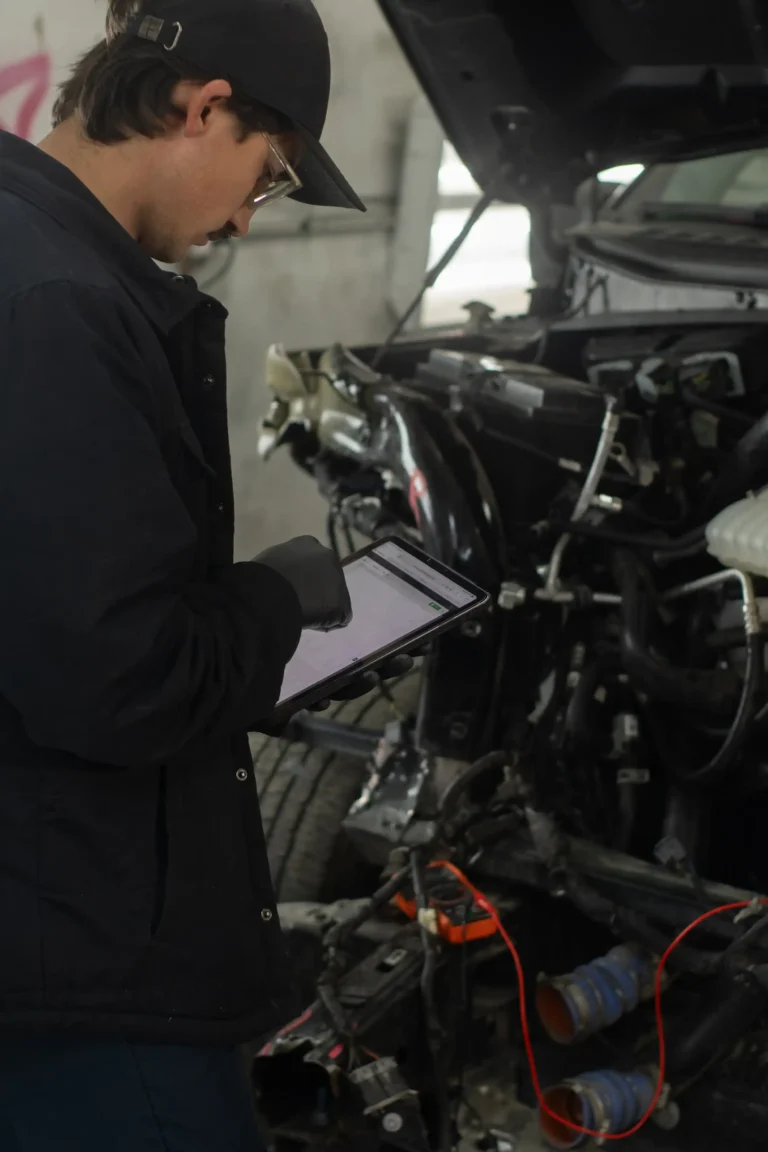
The only way to know which approach your vehicle needs is a proper diagnostic that maps the full extent of the damage before any repair begins. Toki Auto Works runs auto electrical diagnostics in California with OEM dealer-level software and manufacturer wiring diagrams to trace every fault to its source, so you know whether your harness needs a $150 splice or a $1,500 replacement before any work starts. When the wiring damage has reached the engine control module, our guide on ECM replacement cost covers what that repair adds to the total.
Frequently Asked Questions
Q. How long does wiring harness replacement take?
A door harness takes 30 to 60 minutes. An engine harness takes 4 to 8 hours. A dashboard harness can take 6 to 10 hours because the entire dashboard must be removed to access the routing. Targeted splice repairs on accessible wires take 30 minutes to 2 hours depending on the location.
Q. Can a damaged wiring harness be repaired instead of replaced?
Yes, in most cases. If the damage is limited to a few wires or connectors, a technician can splice in new wire and replace the affected connectors for $100 to $500. Full replacement is only needed when damage spans too many wires or reaches internal splices that cannot be accessed without pulling the harness.
Q. How do I know if my wiring harness is damaged?
Intermittent electrical faults, warning lights that come and go, components that work sometimes and not others, and blown fuses that keep recurring all point to potential wiring damage. A proper car electrical diagnostic with circuit testing and wiring diagram tracing confirms whether the harness is the source.
Q. Does insurance cover wiring harness damage?
Comprehensive auto insurance typically covers rodent damage to wiring harnesses after you meet your deductible. Collision insurance covers harness damage from an accident. Normal wear and corrosion are not covered. Check your specific policy for coverage details and deductible amounts.
Q. Can rodent damage to a wiring harness be prevented?
Rodent tape wrapped around exposed harness sections, peppermint oil or commercial rodent repellent sprays applied around the engine bay, and removing food sources near the vehicle’s parking area all reduce the risk.
Get a Straight Answer Before You Spend a Dollar
No guesswork, no upsell. Tell us the problem and we will run it through the same OEM software your dealership uses, then give you an honest quote. Family owned, 5.0 stars, 128 reviews.