A car alternator can be tested in under five minutes using a basic multimeter or even without any tools at all. With a multimeter, you measure the voltage at the battery terminals with the engine off and again with the engine running. A healthy alternator produces 13.5 to 14.8 volts at idle. Without a multimeter, you can check for failing alternator symptoms by watching the headlight brightness, listening for unusual noises, and monitoring the dashboard warning lights.
This guide walks you through both testing methods step by step, explains what the readings mean, and covers what to do if your alternator fails the test.
What Does a Car Alternator Do?
The alternator is the component that keeps your vehicle’s entire electrical system powered while the engine is running. The battery provides the initial burst of energy to crank the engine through the starter motor, but once the engine starts, the alternator takes over. It generates electricity by spinning a rotor inside a set of stationary coils, converting mechanical energy from the engine’s serpentine belt into the electrical energy that powers every system in the vehicle.
The alternator serves two jobs simultaneously. It powers every electrical component that is active while you drive, including the headlights, fuel injectors, ignition system, climate controls, infotainment system, and all of the electronic control modules. At the same time, it recharges the battery to replace the energy that was used during engine startup. If the alternator output drops below the combined electrical demand of the vehicle and the battery charging requirement, the battery starts filling the gap and eventually dies.
A healthy alternator produces between 13.5 and 14.8 volts at idle with no accessories running. Under full electrical load with the headlights, AC, rear defogger, and blower fan all on, the voltage should stay above 13.0 volts. Anything below 13.0 volts under load means the alternator is not keeping up with demand.

Signs Your Car Alternator May Be Failing
Before you grab a multimeter or any testing tool, pay attention to what your vehicle is already telling you. Most alternator failures give clear warning signs days or weeks before the alternator dies completely.
Watch for these common symptoms:
- Headlights that dim at idle and brighten when you rev the engine
- Dashboard battery warning light or charging system light staying on
- Growling, whining, or squealing noise from the front of the engine
- Electrical accessories losing power intermittently (radio resetting, windows moving slowly, seats not adjusting)
- Battery that keeps dying overnight even after replacement
- Burning rubber smell from a slipping serpentine belt
- Multiple warning lights appearing at the same time (ABS, traction control, check engine)
A single symptom could point to other causes. Dim headlights alone might be a bad ground or a corroded connection. A dead battery alone might be a parasitic draw from a faulty module. But two or more of these symptoms appearing together almost always point to the alternator. The more symptoms you see at the same time, the more likely the alternator is the root cause rather than individual component failures.
If multiple warning lights came on at once, the voltage drop from a failing alternator is causing every module in the vehicle to behave erratically. This is one of the most common car electrical problems that gets misdiagnosed because the shop chases individual warning lights instead of testing the charging system first.
That Dashboard Light Will Not Fix Itself
Airbag warnings, electrical faults, and AC failures get worse the longer you wait. Send us your vehicle details and we will have a quote ready before your next drive.
How To Test a Car Alternator Without a Multimeter?
You do not need a multimeter to get a good idea of whether your alternator is working. Here are three no tool tests you can perform right now.
1. Headlight Brightness Test
Start the engine and turn on the headlights with the vehicle in park. Watch the brightness of the headlights at idle. Then have someone rev the engine to about 2,000 RPM while you watch the headlights from the front of the vehicle. If the headlights are noticeably dim at idle and brighten significantly when the engine revs, the alternator is not producing enough voltage at low RPM to maintain full brightness.
On a healthy charging system, the headlight brightness should stay consistent between idle and 2,000 RPM with no visible change. A slight variation is normal on older vehicles with halogen bulbs. A dramatic difference where the lights go from dim yellow at idle to bright white at higher RPM is a clear sign the alternator output is dropping below the threshold at low engine speed.
2. Dashboard Warning Light Check
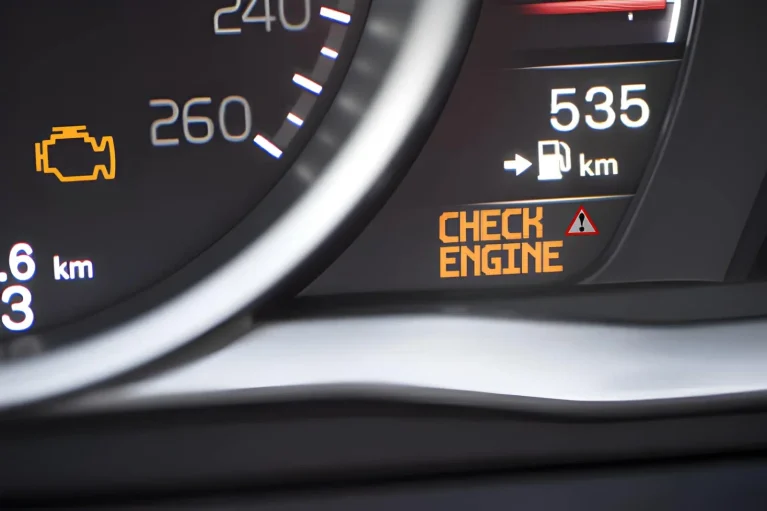
Turn the ignition to the ON position without starting the engine. The battery or charging system warning light should illuminate as part of the normal bulb check. Start the engine. The light should turn off within a few seconds once the alternator begins producing voltage. If the light stays on after the engine starts, the alternator is not reaching the voltage threshold that tells the vehicle’s computer the charging system is working.
On some vehicles, the warning light flickers intermittently instead of staying on solid. A flickering charging light usually means the alternator is producing voltage inconsistently, which points to worn brushes, a failing voltage regulator, or a loose serpentine belt that slips under load. A light that comes and goes is just as concerning as one that stays on permanently.
3. Listen for Unusual Noises
A healthy alternator runs quietly. A failing alternator produces noises that change with engine speed because the alternator spins proportionally to the engine RPM through the serpentine belt. A grinding or rumbling noise that increases with RPM points to worn internal bearings. A high pitched whine or squeal can indicate a loose belt, a misaligned pulley, or worn brushes making intermittent contact with the slip rings inside the alternator.
Open the hood with the engine running and listen near the alternator. If you can isolate the noise to the alternator rather than the power steering pump, AC compressor, or idler pulley, the internal components are wearing. Bearing noise means the alternator needs replacement soon because a seized bearing will snap the serpentine belt and kill power to every belt driven accessory at once.
How To Test a Car Alternator With a Multimeter
A digital multimeter gives you exact voltage readings that confirm whether the alternator is charging correctly. Here is the three step process.
1. Test Battery Voltage With the Engine Off
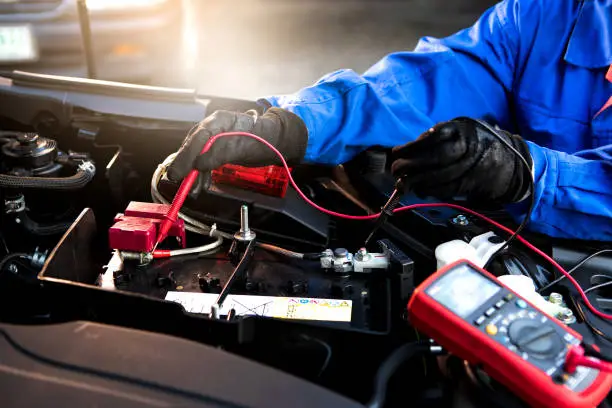
Set the multimeter to DC voltage (the V with a straight line, not a wavy line). Place the red probe on the positive battery terminal and the black probe on the negative terminal. With the engine off and all accessories off, read the voltage. A fully charged battery at rest should read 12.4 to 12.7 volts. Below 12.2 volts means the battery is partially discharged. Below 12.0 volts means the battery is significantly discharged or failing.
This baseline reading tells you the battery’s starting condition before the alternator gets involved. If the battery reads below 12.0 volts with the engine off, charge it or jump start the vehicle before testing the alternator. A severely discharged battery puts extra load on the alternator and can produce misleading readings during the charging test.
2. Test Charging Voltage With the Engine Running
Keep the multimeter probes on the same battery terminals and start the engine. Let it idle for 30 seconds to stabilize. The voltage reading should climb to 13.5 to 14.8 volts. This range confirms the alternator is producing enough electricity to power the vehicle and charge the battery simultaneously.
Below 13.0 volts at idle means the alternator is undercharging. The battery is not being replenished and will eventually die. Above 15.0 volts means the voltage regulator inside the alternator is failing and the system is overcharging. Overcharging boils battery electrolyte, shortens battery life dramatically, and sends voltage spikes through the electrical system that can damage the ECM and other control modules. A voltage spike from an overcharging alternator is one of the most common causes of ECM replacement cost becoming necessary on high mileage vehicles.
3. Test Under Full Electrical Load
With the engine still running at idle, turn on every electrical accessory: headlights on high beam, AC on maximum, rear defogger on, blower fan on high, heated seats on if equipped, and the radio on. Read the voltage again. On a healthy alternator, the voltage should stay above 13.0 volts with everything running. If it drops below 13.0 volts under full load, the alternator cannot keep up with the vehicle’s electrical demand and is on its way to failure.
This load test is the most revealing step because it shows how the alternator performs under maximum demand. An alternator that passes the idle test but fails the load test has enough capacity for light electrical use but not enough for real world driving conditions where multiple systems are active simultaneously. This is the alternator that starts causing problems in winter when the defroster, heated seats, and headlights are all running at the same time.
What To Do If Your Alternator Fails the Test?
If your multimeter reads below 13.0 volts with the engine running or above 15.0 volts at any point, the alternator needs attention. Before replacing it, check two things that can produce the same symptoms for almost no cost.
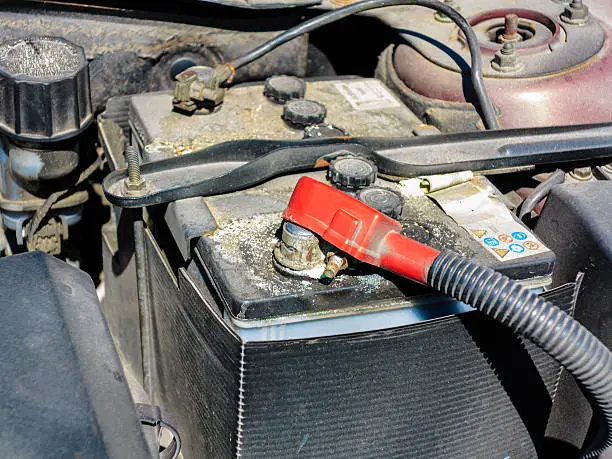
First, check the serpentine belt. A belt that is cracked, glazed, or loose slips on the alternator pulley and reduces the alternator’s ability to spin at the correct speed. A belt replacement costs $25 to $75 and takes 15 to 30 minutes. If the belt looks worn or squeals when you start the engine, replace it and retest before condemning the alternator. Second, check the battery cable connections at both terminals. Corroded or loose terminals create resistance that makes the voltage reading at the battery lower than what the alternator is actually producing.
If the belt and connections are good and the voltage still reads low or high, the alternator needs replacement. A new alternator runs $300 to $700 including parts and labor on most vehicles. For cases where the failing alternator has already caused secondary damage to the battery or electronic modules, a full car electrical diagnostic confirms whether any other components were affected before the bill grows. Toki Auto Works runs auto electrical diagnostics in California with OEM dealer level software that identifies not just the alternator failure but any downstream damage it caused to modules, sensors, or the charging circuit wiring.
Frequently Asked Questions
1. How do I know if my battery is bad or my alternator is bad?
Test the battery voltage with the engine off. If it reads 12.4 to 12.7 volts, the battery is fine and the alternator is the suspect. If it reads below 12.0 volts, charge the battery fully and retest. A battery that will not hold a charge after charging is the problem.
2. Can a bad alternator damage other parts of the car?
Yes. An undercharging alternator drains the battery repeatedly, which shortens its lifespan. An overcharging alternator sends voltage spikes through the electrical system that can damage the ECM, BCM, and other sensitive control modules.
3. How long does an alternator last?
Most alternators last 80,000 to 150,000 miles depending on driving conditions and electrical load. Vehicles that spend a lot of time idling with multiple accessories running put more strain on the alternator and shorten its lifespan.
4. Can I drive with a failing alternator?
You can drive short distances, but the battery is supplying all the electrical power and will eventually die. Once the battery voltage drops too low, the engine can stall, the power steering can cut out on electric assist vehicles, and the headlights can dim to unsafe levels.
5. How much does alternator replacement cost?
A new alternator costs $300 to $700 including parts and labor on most vehicles. The part itself runs $150 to $400 and labor adds $100 to $300 depending on how accessible the alternator is. Trucks and SUVs with limited engine bay space tend to cost more in labor than sedans where the alternator sits near the top of the engine.
Get a Straight Answer Before You Spend a Dollar
No guesswork, no upsell. Tell us the problem and we will run it through the same OEM software your dealership uses, then give you an honest quote. Family owned, 5.0 stars, 128 reviews.