The Takata airbag recall is the largest automotive recall in United States history, affecting approximately 67 million airbag inflators across 19 automakers and tens of millions of vehicles. The defect involves Takata manufactured airbag inflators that can rupture during deployment, sending metal fragments into the cabin instead of safely inflating the airbag. Exposure to high heat and humidity over time degrades the ammonium nitrate propellant inside the inflator, making it unstable. The recall has been linked to dozens of deaths and hundreds of injuries worldwide and remains active today with millions of vehicles still unrepaired.
This guide explains what the recall involves, which vehicles are affected, how to check if your car still has an open recall, and what to do about it.
What Is the Takata Airbag Recall?
The Takata airbag recall centers on defective airbag inflators manufactured by Takata Corporation, a Japanese auto parts supplier that produced airbag components for nearly every major automaker worldwide. The inflators use ammonium nitrate as a propellant to generate the gas that fills the airbag during a crash. Under normal conditions, the propellant ignites in a controlled manner and inflates the bag within milliseconds. In defective units, long term exposure to heat cycling and moisture causes the propellant to break down and become overly volatile.
When a degraded inflator deploys during a crash, the propellant burns too aggressively and generates more pressure than the metal canister can contain. The canister ruptures and sends sharp metal fragments into the vehicle cabin at high speed, directly toward the driver or passenger. This turns a safety device designed to protect occupants into a source of serious injury or death. NHTSA (National Highway Traffic Safety Administration) began investigating Takata inflators in 2014 and expanded the recall in waves between 2014 and 2020.
Which Vehicles Are Affected by the Takata Recall?
The recall spans nearly every major automaker that used Takata supplied inflators during the affected production years. Here is a list of the most commonly affected makes and some of their recalled models.
| Make | Commonly Affected Models | Approximate Years |
|---|---|---|
| Honda / Acura | Civic, Accord, CR-V, Pilot, Fit, TL, MDX, RDX | 2001 to 2015 |
| Toyota / Lexus | Corolla, Camry, RAV4, Yaris, ES, IS, RX | 2002 to 2015 |
| Nissan / Infiniti | Altima, Sentra, Pathfinder, Maxima, Q50, QX60 | 2002 to 2015 |
| Ford / Lincoln | Ranger, Mustang, GT, Edge, Fusion, MKZ | 2004 to 2015 |
| Subaru | Impreza, Outback, Forester, Legacy, WRX | 2004 to 2014 |
| Mazda | Mazda3, Mazda6, CX-7, CX-9, RX-8 | 2003 to 2015 |
| Chrysler / Dodge / RAM | 300, Charger, Challenger, RAM 1500, Durango | 2005 to 2015 |
| Chevrolet / GMC / Pontiac | Silverado, Cobalt, Cruze, Sierra, Savana | 2007 to 2015 |
| Hyundai / Kia | Sonata, Elantra, Tucson, Sportage, Optima | 2006 to 2015 |
| Mitsubishi | Lancer, Outlander, Eclipse, Galant | 2004 to 2014 |
| BMW / Mercedes | 3 Series, X5, C Class, E Class, GLK | 2002 to 2015 |
Honda is the most heavily affected manufacturer with more recalled vehicles than any other brand. Many Honda and Acura models from the early 2000s carry the highest priority designation because their inflators have been exposed to heat and humidity the longest. NHTSA has issued specific “Do Not Drive” warnings for certain Honda models where the inflator rupture risk is considered immediate.
Not every vehicle from these makes and years is affected. The recall applies only to specific models, model years, and production date ranges. Two identical vehicles from the same year and model can have different recall status depending on where they were built and which inflator was installed at the factory.
That Dashboard Light Will Not Fix Itself
Airbag warnings, electrical faults, and AC failures get worse the longer you wait. Send us your vehicle details and we will have a quote ready before your next drive.
How To Check If Your Car Is Still Under the Takata Recall?
The fastest way to check is entering your vehicle identification number (VIN) on the NHTSA recall lookup tool at nhtsa.gov/recalls. The VIN is a 17 character code found on the driver’s side dashboard where it meets the windshield, on the sticker inside the driver’s door jamb, and on your vehicle registration card. The NHTSA tool checks your specific VIN against every open recall, not just Takata, and tells you whether your vehicle has any unrepaired recalls.
Most manufacturers also have their own recall lookup tools on their websites. Honda, Toyota, Ford, and others let you enter your VIN and see exactly which recalls apply and whether parts are available for the repair. Some manufacturers send recall notices by mail, but if you bought the vehicle used or changed your address, you may never have received the notice. The VIN lookup is the only way to confirm your status regardless of whether you received a letter.
The recall repair is completely free at any authorized dealership for the affected make. The dealership replaces the defective Takata inflator with a new, non Takata inflator and clears any related SRS codes from the airbag module. There is no charge for parts, labor, or any related work. You do not need to be the original owner of the vehicle. If your VIN shows an open Takata recall, any authorized dealer will perform the repair at no cost regardless of the vehicle’s age, mileage, or ownership history.
What Happens If the Takata Airbag Is Not Replaced?
The risk of inflator rupture increases every year the defective unit remains in the vehicle. The ammonium nitrate propellant continues to degrade with each cycle of heat and humidity, and there is no way to inspect, test, or predict when a specific inflator will fail. The inflator can function normally for years and then rupture without warning during a crash that would otherwise be survivable with a properly functioning airbag.
Vehicles in high heat and high humidity regions are at the greatest risk because the climate accelerates the propellant degradation. California, Texas, Florida, and the Gulf Coast states have the highest concentration of priority recall vehicles. However, every unrepaired vehicle carries some level of risk regardless of location because even moderate climate exposure degrades the propellant over a long enough period.
Beyond the safety risk, an unrepaired Takata recall can affect your vehicle’s resale value and insurance status. Many dealerships will not accept a trade in with an open Takata recall without completing the repair first. Some insurers may adjust coverage or liability determinations if a vehicle with a known open recall is involved in a crash where the recalled component contributed to the injuries. The airbag replacement cost for a non recall inflator swap can run $1,000 to $2,500 out of pocket, but the Takata recall repair is free, so there is no financial reason to delay it.
What To Do After Your Takata Airbag Is Replaced?
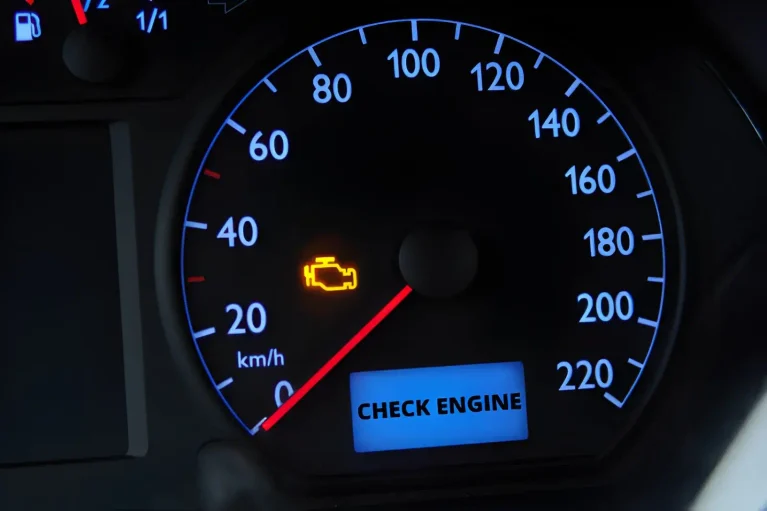
After the dealership replaces the Takata inflator, they should clear all related SRS fault codes from the airbag control module and verify that the airbag warning light turns off during the post repair system check. If the airbag light stays on after the recall repair, the module may have a separate fault that was masked by the recall codes, or the module itself may need attention. Our guide on why is my airbag light on covers every common cause of a persistent airbag warning light beyond just the recall.
On some vehicles, the airbag control module stores data from the recall repair that prevents it from returning to a fully operational state without a reset. An airbag module reset clears this stored data and restores the module to factory condition. This is separate from the recall repair itself and is not always covered by the free dealer service. Vehicles that had multiple recall related codes stored over several years before the repair was completed are the most likely to need a module reset after the new inflator is installed.
For vehicle owners outside the Sacramento area who need their airbag module serviced after a Takata recall repair, Toki Auto Works accepts mail in airbag module reset requests from anywhere in the country. Locally, they offer airbag module reset in California using OEM dealer level software that clears all stored crash data and recall related codes from the SRS module.
Frequently Asked Questions
Q. Is the Takata airbag recall still active?
Yes. The recall remains active and millions of vehicles in the United States still have unrepaired Takata inflators installed. There is no expiration date on the recall.
Q. How do I know if my car has a Takata airbag?
Enter your VIN at nhtsa.gov/recalls to check whether your vehicle has an open Takata recall. Not all vehicles from the affected makes and years are included.
Q. Does the Takata recall repair cost anything?
No. The recall repair is completely free at any authorized dealership for the affected make. Parts, labor, and any related SRS work are covered at no charge. You do not need to be the original owner and there is no mileage limit.
Q. Can I still drive my car if it has an open Takata recall?
NHTSA advises getting the repair done as soon as possible. For certain high priority Honda and Acura models, NHTSA has issued “Do Not Drive” warnings because the rupture risk is considered immediate. For other models, the risk is lower but increases with time.
Q. What if the dealer says parts are not available yet?
Some recall repairs have been delayed due to parts supply constraints. If your dealer cannot get the replacement inflator immediately, ask them to document the request and notify you when parts arrive.
Get a Straight Answer Before You Spend a Dollar
No guesswork, no upsell. Tell us the problem and we will run it through the same OEM software your dealership uses, then give you an honest quote. Family owned, 5.0 stars, 128 reviews.