It costs $80 to $350 to reprogram a car computer at most shops, depending on the module type, the vehicle make, and the shop doing the work. An ECM (engine control module) reflash runs $80 to $250, a TCM (transmission control module) reprogramming costs $100 to $300, and BCM (body control module) coding runs $80 to $200. Dealerships charge the most at $150 to $350 because they bill at premium labor rates. Independent shops with OEM-level software do the same work for $80 to $200.
In some cases a reflash is all your vehicle needs, saving you hundreds or thousands over a full module replacement. This guide covers reprogramming costs for every module type, when you need it, and where to get it done.
What Does It Mean To Reprogram a Car Computer?
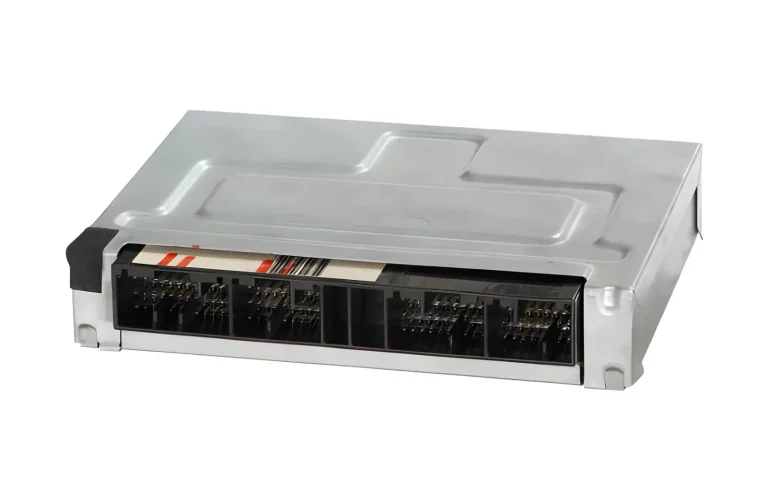
Reprogramming a car computer means updating or rewriting the software inside one of your vehicle’s electronic control modules. Every modern vehicle runs multiple computers that manage the engine, transmission, body electronics, airbag system, and more. Each module contains calibration files that the manufacturer wrote specifically for your vehicle’s make, model, engine, and transmission combination. Reprogramming replaces those files with the latest version from the manufacturer’s database or writes fresh files to a blank replacement module.
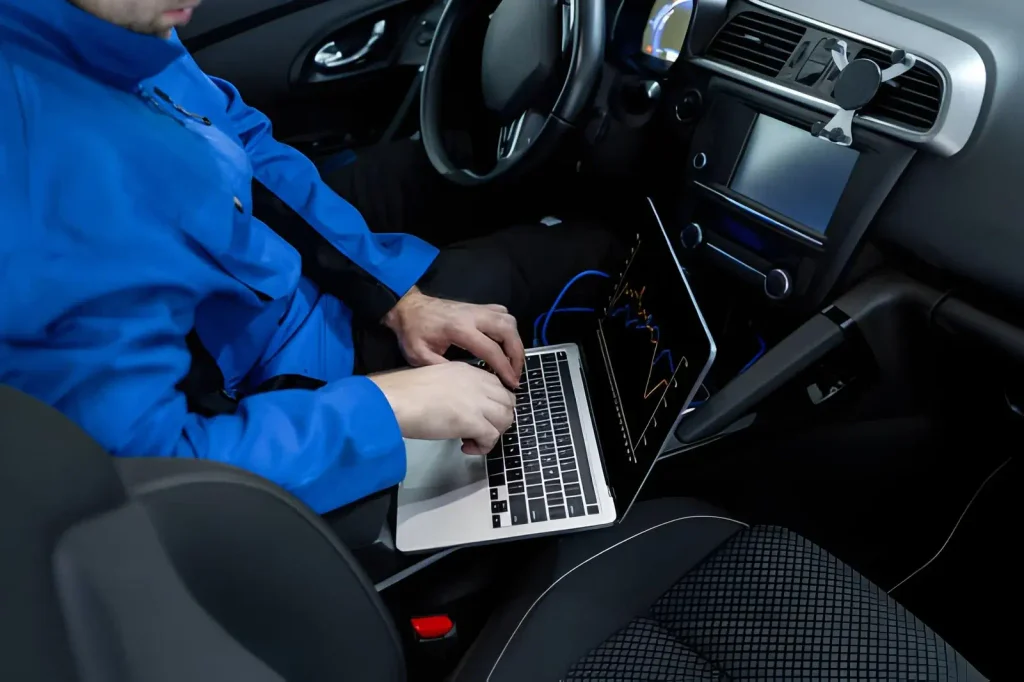
The process uses an OBD2 port connection and OEM software running on a laptop or dedicated programming station. The technician connects to the module, identifies the current software version, downloads the correct update from the manufacturer’s calibration library, and writes it to the module. The entire process takes 30 to 90 minutes depending on the vehicle and the number of modules being programmed.
Not all reprogramming is the same. A reflash updates existing software on a module that is already installed and working. VIN coding writes vehicle-specific data to a new or used replacement module so it recognizes your car.
Car Computer Reprogramming Cost by Module Type
Each module in your vehicle has a different reprogramming cost based on its complexity and the software access fees the manufacturer charges. Here is what each type typically runs.
| Module | What It Controls | Dealer Cost | Independent Shop Cost |
|---|---|---|---|
| ECM (Engine Control Module) | Fuel injection, ignition timing, emissions, idle | $150 – $350 | $80 – $200 |
| TCM (Transmission Control Module) | Shift points, torque converter lockup, adaptive learning | $150 – $300 | $100 – $250 |
| BCM (Body Control Module) | Lights, locks, windows, wipers, accessories | $120 – $250 | $80 – $200 |
| PCM (Powertrain Control Module) | Engine + transmission combined (Ford, Chrysler) | $200 – $350 | $100 – $250 |
| SRS Module (Airbag Control Module) | Airbag deployment, crash data, seatbelt pretensioners | $100 – $250 | $50 – $150 |
ECM programming is the most common reprogramming job because the engine module receives the most frequent software updates from manufacturers. Updates fix drivability complaints, improve fuel economy, address emissions system faults, and resolve check engine light codes that turned out to be software bugs rather than hardware failures.
TCM programming is the second most requested service, especially after a transmission rebuild or module replacement. The transmission control module stores adaptive shift data that it learns over thousands of miles of driving. BCM programming covers everything from interior lighting behavior to power window settings to remote key fob configuration.
That Dashboard Light Will Not Fix Itself
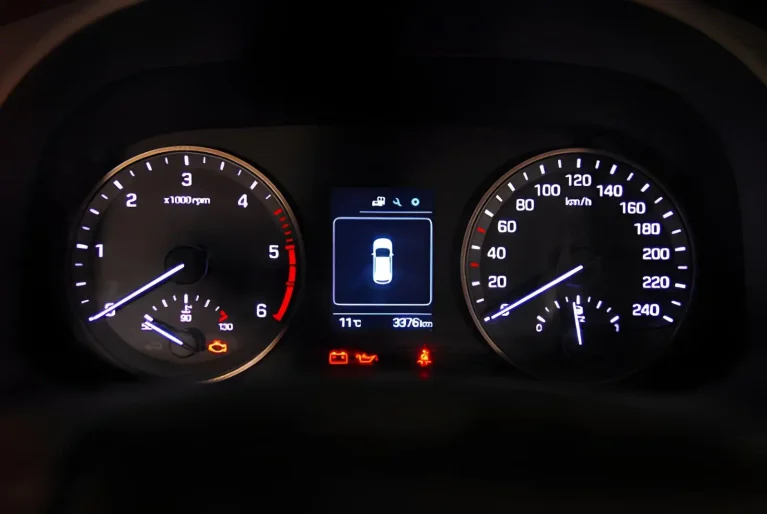
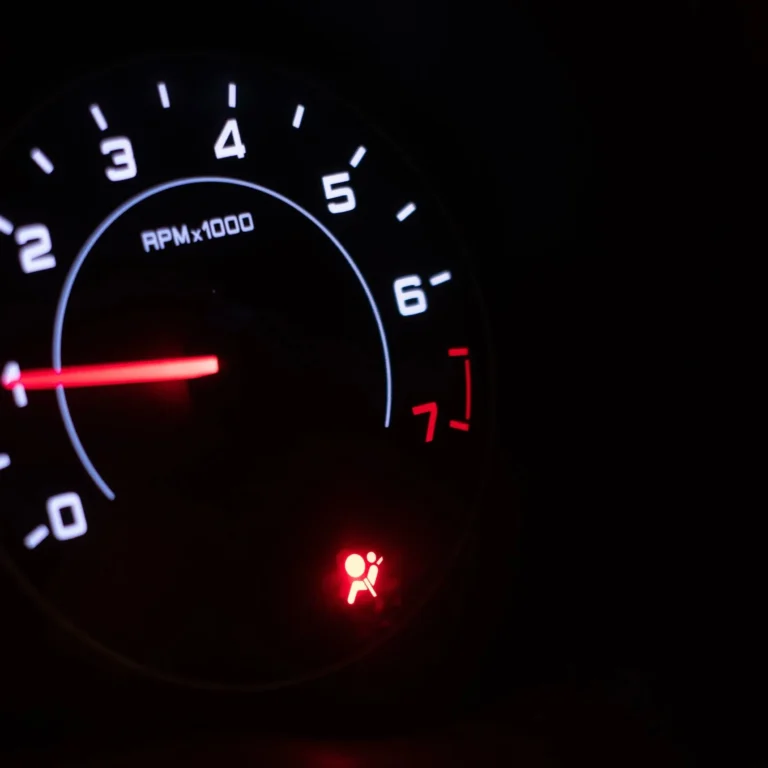
Airbag warnings, electrical faults, and AC failures get worse the longer you wait. Send us your vehicle details and we will have a quote ready before your next drive.
When Does a Car Computer Need Reprogramming?
The most common reason is a module replacement. Any time an ECM, TCM, BCM, or SRS module is swapped for a new, remanufactured, or used unit, the replacement must be programmed to your vehicle before it will function. A blank module has no vehicle data on it, and a used module carries data from its previous vehicle. Without reprogramming, the engine will not start, the transmission will not shift correctly, or the body electronics will not respond to your key.
Software updates from the manufacturer are the second most common reason. Automakers release calibration updates throughout a vehicle’s production life to fix problems discovered after the car left the factory. A rough idle, a hesitation on acceleration, a transmission that hunts between gears, or a check engine light with a known software-related code can all be resolved with a reflash.
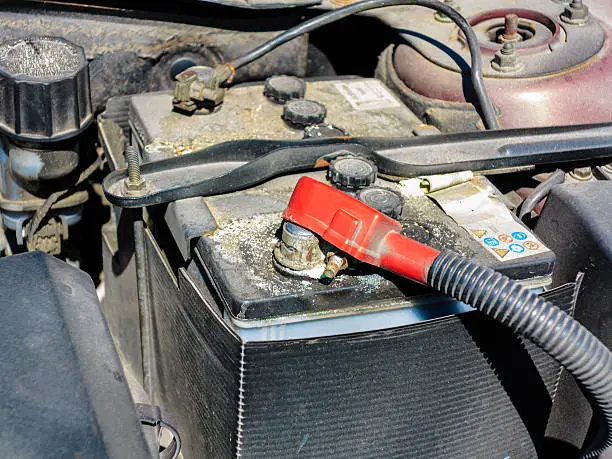
These are broader car electrical problems that look like hardware failures but clear up entirely once the module receives the updated software. A steering angle sensor reset is another example of module-level reprogramming that is often needed after suspension work, a wheel alignment, or a battery disconnect on vehicles with electronic stability control.
Reprogramming vs Replacement: Which One Do You Need?
Reprogramming fixes software problems. Replacement fixes hardware problems. The cost difference is significant enough that knowing which one you need saves hundreds or thousands of dollars. A reflash runs $80 to $250. A full ECM replacement cost runs $500 to $2,000 including the new module, programming, and labor. Choosing replacement when reprogramming would have worked is the most expensive mistake in module diagnostics.
The diagnostic trouble codes tell you which path to take. A code that points to a software mismatch, an outdated calibration, or a communication parameter error usually clears with a reflash. Codes like P0606 (ECM processor fault) or P0607 (control module performance) point to internal hardware damage that reprogramming cannot fix. When the module’s processor or memory chip is physically damaged, no amount of software writing will restore it.
Sometimes the module is healthy but the problem sits in the wiring feeding it. A corroded connector, a chafed wire, or a damaged harness can cause the exact same fault codes as a failing module. The wiring harness replacement cost for fixing connector and circuit damage is often less than a module replacement and always less than replacing a module that turns out to be fine.
Dealer vs Independent Shop: Where To Get It Done
Dealerships have guaranteed access to their brand’s programming software and calibration databases. A Ford dealer has every Ford calibration file. A Toyota dealer has every Toyota file. That access is never a question, which is the main advantage of going to the dealer. The downside is cost. Dealerships charge $150 to $350 for the same programming job that an independent shop with the right tools can do for $80 to $200.
Independent shops access the same manufacturer databases through J2534 passthrough devices and OEM subscription services. The J2534 standard was mandated by the EPA to give independent shops the same reprogramming capability that dealers have. A shop that subscribes to the manufacturer’s service information website and owns a J2534 device can download and install the exact same calibration files the dealer uses.
The key question to ask any independent shop is what software and hardware they use for programming. A shop that uses only aftermarket scan tools can read and clear codes but may not have access to the full calibration library needed for a proper reflash. A shop that runs OEM dealer-level software through a J2534 passthrough or a factory diagnostic tool can do everything the dealer does.
Car Computer Reprogramming in California
Module programming is one of the few auto repair jobs where the difference between a dealership and an independent shop comes down to the software license, not the skill. Both use the same manufacturer calibration files, the same J2534 passthrough process, and the same VIN coding procedure. The only difference is the labor rate. Dealerships charge $150 to $350 for programming because they bundle it with premium overhead. An independent shop with the same OEM software access does identical work for $80 to $200.
Drivers in California who need module programming without dealership pricing bring their vehicles to Toki Auto Works for auto electrical diagnostics in California. Every module is programmed, VIN coded, and immobilizer paired on-site in a single visit using OEM dealer-level software, and if the diagnosis turns out to be wrong, they re-diagnose at no extra charge.
Frequently Asked Questions
Q. How long does it take to reprogram a car computer?
Most reprogramming jobs take 30 to 90 minutes depending on the module type and the vehicle’s security system. ECM and TCM reflashes typically run 45 to 60 minutes. BCM coding is usually faster at 20 to 40 minutes.
Q. Will reprogramming fix my check engine light?
It depends on the code. If the fault is caused by outdated software or a calibration mismatch, a reflash will clear the code and turn off the light. If the fault points to a bad sensor, damaged wiring, or a hardware failure inside the module, reprogramming alone will not fix it.
Q. Can I reprogram a car computer myself?
Technically yes, if you purchase a J2534 passthrough device ($200 to $400) and subscribe to the manufacturer’s service information website ($30 to $70 for a short-term pass). But incorrect programming can brick the module entirely, turning a $150 reflash into a $1,500 replacement.
Q. Does a used ECM need to be reprogrammed?
Yes. A used ECM contains the VIN, calibration data, and immobilizer pairing from its previous vehicle. Without professional reprogramming to your vehicle’s VIN and security system, the engine will not start.
Q. Is reprogramming the same as resetting?
No. Resetting clears stored fault codes and learned data but does not change the module’s software. Reprogramming rewrites the actual operating software with updated or corrected calibration files. A reset takes seconds. A reprogram takes 30 to 90 minutes and requires OEM software access.
Get a Straight Answer Before You Spend a Dollar
No guesswork, no upsell. Tell us the problem and we will run it through the same OEM software your dealership uses, then give you an honest quote. Family owned, 5.0 stars, 128 reviews.