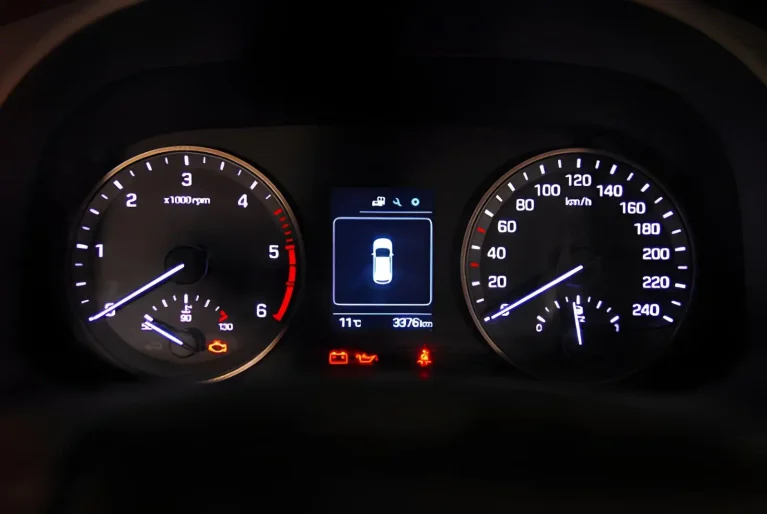
BCM programming configures or updates the software inside your vehicle’s body control module, which is the computer that manages nearly every electrical accessory in the car. It controls the interior and exterior lights, power locks, power windows, wipers, the horn, remote keyless entry, and on many vehicles the climate control and instrument cluster. When the BCM is replaced, loses its software after a voltage event, or needs an update to fix a known bug, programming writes the correct configuration files to the module so every accessory responds the way the manufacturer intended. The process costs $80 to $250 depending on the vehicle and typically takes 30 to 60 minutes.
This guide explains what BCM programming involves, when your car needs it, and what happens if it is skipped.
What Is a Body Control Module and What Does It Do?
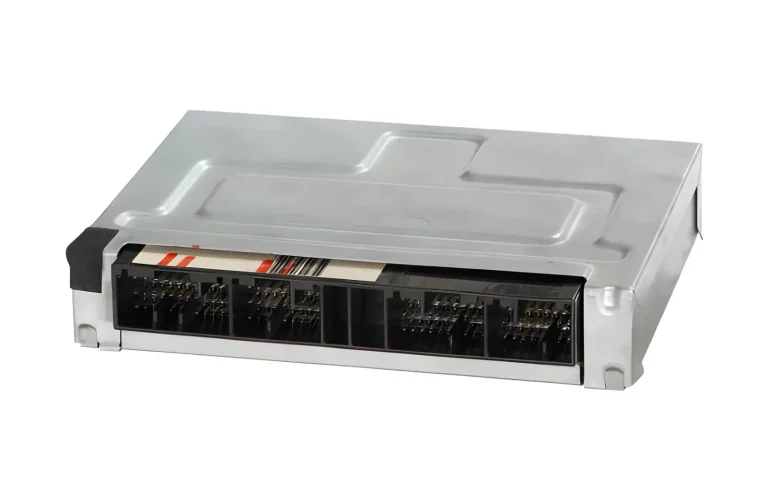
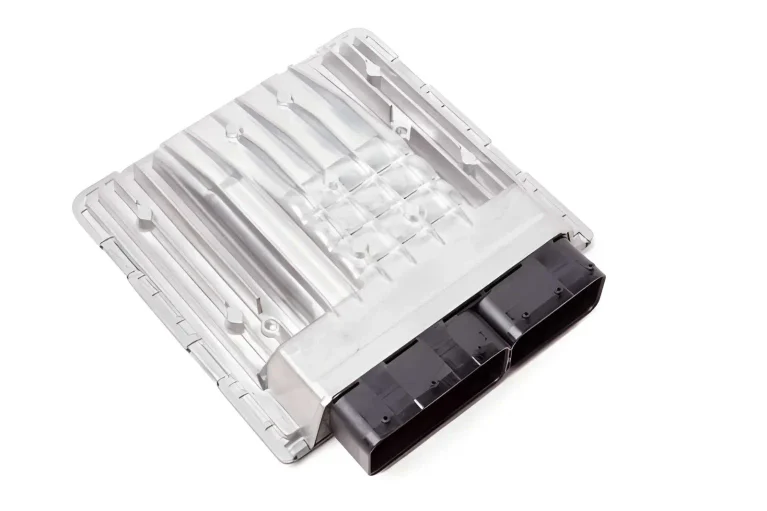
The body control module is the central computer that manages your vehicle’s body electronics, which covers everything that is not part of the engine, transmission, or drivetrain. It receives input from switches, sensors, and key fobs, and sends output signals to lights, motors, solenoids, and relays throughout the vehicle. When you press the lock button on your key fob, the BCM receives that signal and activates the door lock motors.
The BCM communicates with other modules through the CAN bus network, the same data highway that connects the engine control module and the transmission control module. It shares vehicle status information like whether the doors are locked, whether the lights are on, and whether the key is in the ignition. For a full breakdown of how the engine control module uses this same network, our guide on what is an ECM in a car explains the CAN bus communication system in detail.
Modern BCMs are highly configurable because the same module hardware is used across multiple trim levels and option packages within the same vehicle model. A base model and a fully loaded model may use the same physical BCM, but the software configuration tells it which features to enable. A base model BCM is programmed without automatic headlights or rain-sensing wipers. A loaded model BCM has those features turned on in its configuration.

What Does BCM Programming Involve?
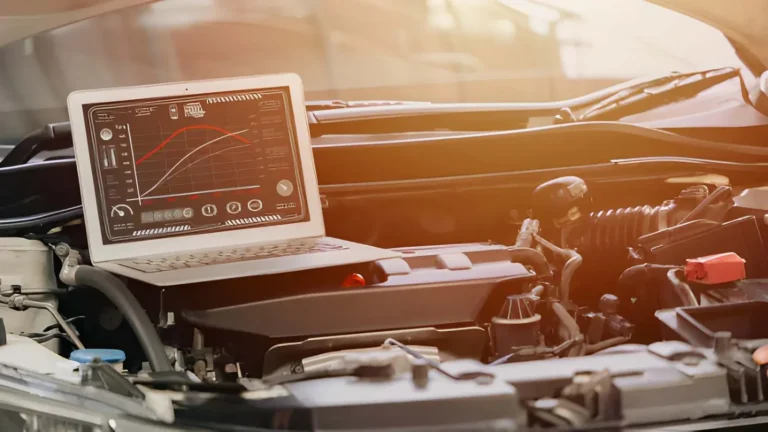
BCM programming writes vehicle-specific configuration data to the module using OEM manufacturer software connected through the OBD2 diagnostic port. The technician selects the vehicle’s make, model, year, and trim level, and the software downloads the correct configuration file from the manufacturer’s database. That file tells the BCM which accessories are installed, how each one should behave, and how the module should communicate with the rest of the vehicle’s network.
The programming process includes three steps. First, the module receives its base operating software, which is the firmware that lets it function as a body control module. Second, it receives the vehicle-specific configuration that enables or disables features based on the trim level and options package. Third, it receives any software updates the manufacturer has released since the vehicle was built. These updates fix known bugs like lights that stay on when they should not, door locks that cycle randomly, or window switches that stop responding intermittently.
On some vehicles, the BCM also needs to be paired with the vehicle’s security system so the key fob, the immobilizer, and the push-button start system recognize it. Without this pairing step, the remote keyless entry may not work, the vehicle may not recognize the key, or the alarm system may trigger unexpectedly.
That Dashboard Light Will Not Fix Itself
Airbag warnings, electrical faults, and AC failures get worse the longer you wait. Send us your vehicle details and we will have a quote ready before your next drive.
When Does Your Car Need BCM Programming?
Four common situations require BCM programming. Here is each one and why the module will not work correctly without it.
1. After BCM Replacement
A replacement BCM, whether new, remanufactured, or used, ships without your vehicle’s configuration data. It does not know which features your car has, which key fobs are paired to it, or how the lighting circuits should behave. Installing it without programming leaves you with a module that powers on but does not control anything correctly. Lights may not turn on, locks may not respond, the instrument cluster may display errors, and the key fob will not work.
A used BCM from a salvage vehicle is even more problematic because it contains the configuration and security pairing from its previous vehicle. Without reprogramming, it tries to operate your car based on another vehicle’s feature set and security credentials. The module must be wiped and reprogrammed to your VIN before it will function. Our guide on how much does it cost to reprogram a car computer covers programming pricing across different module types including the BCM.
2. After a Battery Disconnect or Voltage Event
On certain vehicles, the BCM loses some or all of its stored configuration data when the battery is disconnected for an extended period or when a severe voltage spike corrupts the module’s memory. The symptoms are subtle at first. The automatic headlights stop working, the courtesy lights behave differently, or the remote keyless entry range drops.
A voltage spike from a failing alternator or a jump start gone wrong can corrupt the BCM’s software more severely, causing multiple body electronics to fail at once. Power windows, door locks, and interior lights all stopping simultaneously is a classic sign of a BCM that lost its programming. A reflash restores the software and eliminates the symptoms without replacing the module.
3. After Adding Aftermarket Accessories
Aftermarket accessories like remote start systems, aftermarket alarm systems, LED headlight conversions, and trailer wiring harnesses often tap into circuits that the BCM controls. If the installation changes how a circuit behaves, such as adding a load to the headlight circuit that the BCM does not expect, the module may flag a fault code and disable that circuit.
Some aftermarket installations also require the BCM to enable a feature that was turned off in the factory configuration. Enabling fog lights on a vehicle that was not equipped with them from the factory, activating daytime running lights in a market where they are not standard, or turning on a trailer brake controller output all require BCM coding changes through OEM software.
4. After a Manufacturer Software Update or Recall
Manufacturers release BCM software updates throughout the vehicle’s production life to fix bugs, improve feature behavior, and address customer complaints. A BCM update might fix automatic headlights that flicker, door locks that cycle on their own, or a key fob that loses range in cold weather. These updates are applied through the same programming process used for a module replacement. The technician connects to the manufacturer database and downloads the latest software version to the BCM.
Safety recalls that involve the BCM also require reprogramming. A recall that changes how the daytime running lights operate, how the door locks respond during a collision, or how the vehicle communicates with the key fob is implemented through a BCM software update. Dealers perform recall programming at no charge, but independent shops with OEM software access can apply the same updates.
How Much Does BCM Programming Cost?
BCM programming cost depends on the shop type and the complexity of the vehicle’s configuration. Here is what each level typically runs.
| Service | Dealer Cost | Independent Shop Cost |
|---|---|---|
| BCM reflash (software update only) | $120 to $250 | $80 to $150 |
| BCM programming after replacement | $150 to $300 | $100 to $200 |
| BCM coding change (feature enable/disable) | $100 to $200 | $60 to $150 |
| BCM + security system pairing | $200 to $350 | $120 to $250 |
Dealerships charge more because they bill programming at their standard shop rate of $130 to $200 per hour. Independent shops with OEM-level software through a J2534 passthrough device access the same manufacturer database and perform the same procedure at a lower labor rate. The end result is identical. The only difference is the hourly cost.
A shop that charges $300 or more for standalone BCM programming without a module replacement is likely billing at dealership rates or adding unnecessary diagnostic time. The actual programming process takes 20 to 45 minutes on most vehicles. The rest of the bill should be the diagnostic time to confirm the BCM is the source of the problem, which a proper car electrical diagnostic handles before any programming begins. Toki Auto Works performs auto electrical diagnostics in California with OEM software that covers BCM, ECM, and TCM programming in a single appointment.
Frequently Asked Questions
Q. What are the symptoms of a BCM that needs programming?
Power windows, door locks, interior lights, or remote keyless entry not working after a battery disconnect, a module replacement, or a voltage event. Multiple body electronics failing at the same time is the strongest indicator because the BCM controls all of them through a single module.
Q. Can I program a BCM myself?
No. BCM programming requires OEM manufacturer software and a J2534 passthrough device or a factory diagnostic tool. The software is subscription-based and the procedure is vehicle-specific. Attempting to program a BCM with aftermarket tools risks writing incorrect configuration data that disables features or locks out the security system.
Q. Is BCM programming the same as ECM programming?
The process is similar. Both involve connecting to the manufacturer database and writing vehicle-specific software to the module. The difference is what each module controls. The BCM manages body electronics like lights, locks, and windows.
Q. How long does BCM programming take?
The actual programming process takes 20 to 45 minutes. If the module also needs security system pairing with key fobs and the immobilizer, add another 15 to 30 minutes. The total visit including diagnostic confirmation typically runs 45 to 90 minutes.
Q. Will a used BCM work in my car without programming?
No. A used BCM contains the configuration and security credentials from its previous vehicle. Without reprogramming to your VIN, trim level, and security system, it will not control your accessories correctly and your key fob will not pair with it.
Get a Straight Answer Before You Spend a Dollar
No guesswork, no upsell. Tell us the problem and we will run it through the same OEM software your dealership uses, then give you an honest quote. Family owned, 5.0 stars, 128 reviews.