Car AC repair cost ranges from $100 to $2,000 depending on what failed in the system. A simple refrigerant recharge with a leak seal runs $100 to $300, a condenser or expansion valve replacement falls between $300 and $900, and a full compressor replacement with system flush pushes $900 to $2,000. Most AC repairs land in the $200 to $600 range, which covers the majority of leak fixes and single-component replacements. The wide pricing gap exists because the AC system has six major components and each one carries a different parts and labor cost.
How Much Does Car AC Repair Cost on Average?
The national average for a car AC repair sits between $400 and $600 when you combine all repair types together. That number includes everything from a $100 recharge to a $2,000 compressor job, which is why the average alone does not tell you much about what your specific repair will cost. The only way to get an accurate estimate is to know which component failed, because each one carries a very different price tag.
Labor rates vary by region and shop type. Dealerships charge $130 to $200 per hour for AC work. Independent shops charge $80 to $130 per hour for the same job using the same parts. The labor time stays roughly the same regardless of who does the work, so the hourly rate difference directly impacts your final bill. A two-hour compressor job costs $260 at an independent shop versus $400 at a dealership in labor alone.
Refrigerant type also affects the base cost of every AC repair. Older vehicles use R-134a refrigerant, which costs $30 to $50 per pound. Vehicles built after 2018 use R-1234yf, which costs $60 to $120 per pound. A full system recharge uses two to three pounds of refrigerant, so the refrigerant cost alone can range from $60 on an older car to $360 on a newer one. This single variable adds $100 to $200 to any repair that involves evacuating and recharging the system.
What Does Each Type of Car AC Repair Cost?
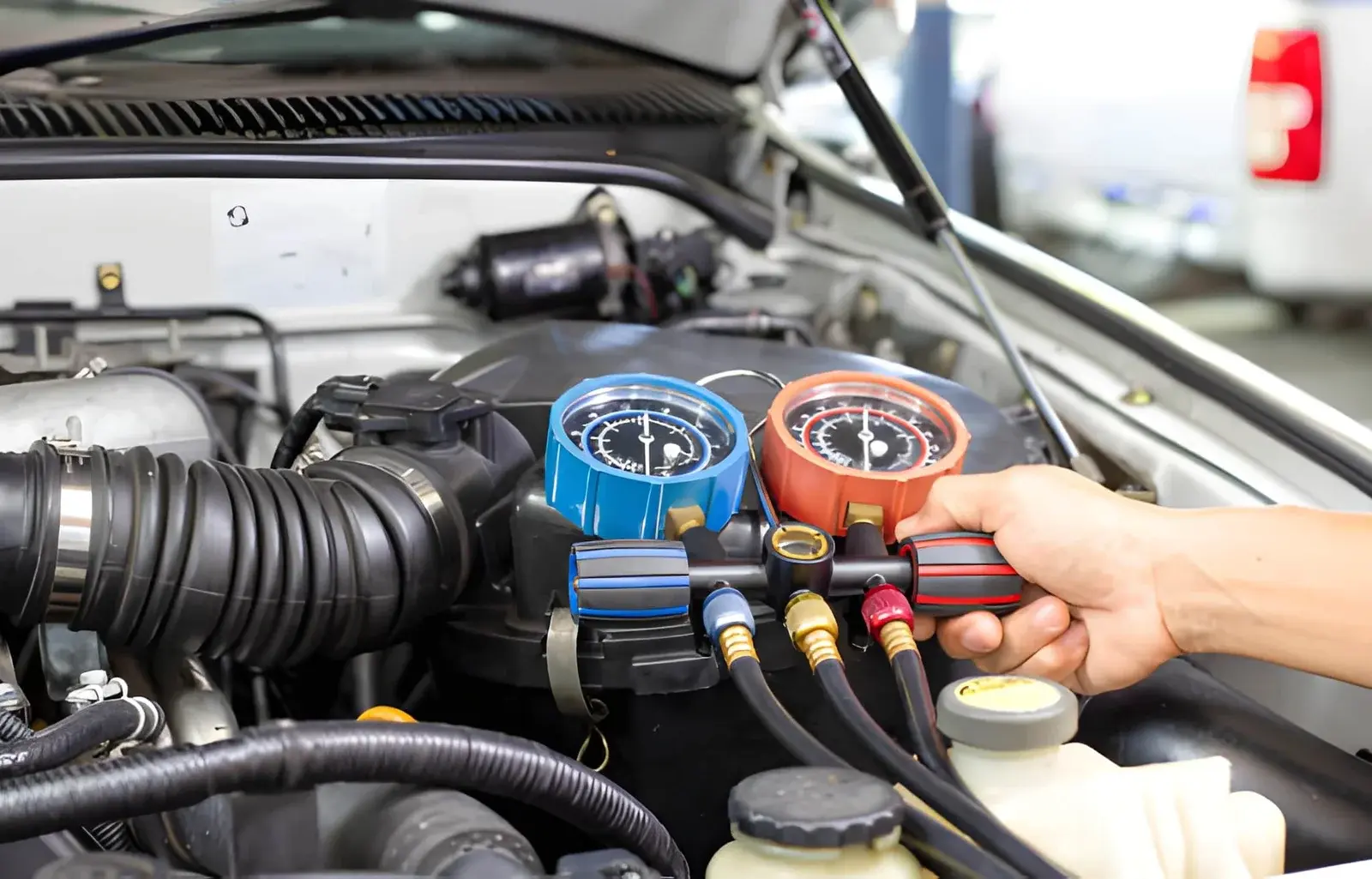
Each AC repair targets a specific component in the system. Here is what every common repair costs including parts, labor, and refrigerant recharge.
| Repair Type | Parts Cost | Labor Cost | Total Estimate |
|---|---|---|---|
| Refrigerant recharge only | $30 – $80 | $50 – $100 | $100 – $200 |
| Leak repair (O-ring, hose, or fitting) | $20 – $150 | $100 – $250 | $150 – $400 |
| Cabin air filter replacement | $15 – $40 | $0 (DIY) | $15 – $40 |
| AC pressure sensor or switch | $30 – $80 | $60 – $120 | $100 – $200 |
| Blend door actuator | $50 – $150 | $100 – $350 | $150 – $500 |
| Condenser replacement | $150 – $400 | $150 – $400 | $300 – $800 |
| Expansion valve or orifice tube | $80 – $200 | $120 – $300 | $200 – $500 |
| Evaporator replacement | $200 – $500 | $500 – $800 | $700 – $1,300 |
| Compressor replacement (no contamination) | $250 – $600 | $200 – $400 | $500 – $1,000 |
| Compressor with full system flush | $400 – $900 | $300 – $500 | $900 – $2,000 |
The evaporator is the most expensive single-component repair because it sits buried inside the dashboard. The part itself costs $200 to $500, but accessing it requires removing the dashboard or a significant portion of the HVAC housing, which pushes labor to $500 to $800. On some vehicles the evaporator replacement takes an entire day of labor. Our guide on car AC repair vs replacement covers when it makes more financial sense to replace multiple components at once versus fixing them one at a time.
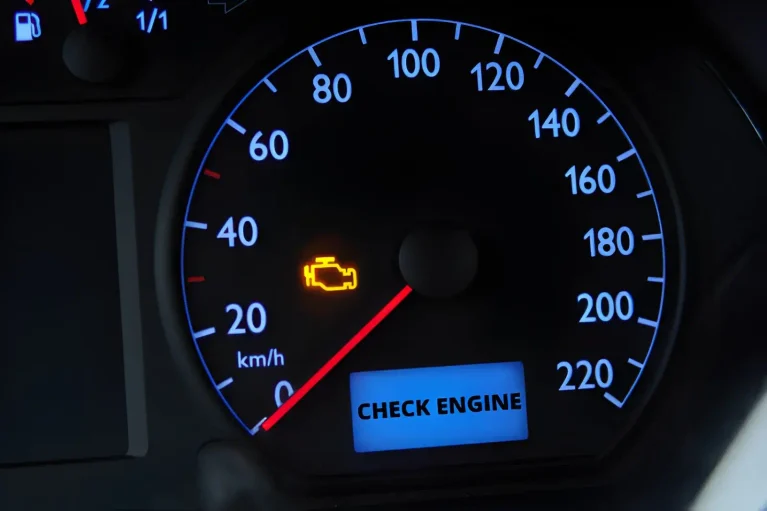
That Dashboard Light Will Not Fix Itself
Airbag warnings, electrical faults, and AC failures get worse the longer you wait. Send us your vehicle details and we will have a quote ready before your next drive.
Factors That Affect Car AC Repair Cost
The vehicle make and model has the biggest impact on parts cost. Japanese and domestic vehicles use widely available aftermarket AC components that cost 30 to 50 percent less than OEM parts. Luxury vehicles and European makes use proprietary components with limited aftermarket availability, which keeps parts prices high. A compressor for a Honda Civic runs $200 to $350. The same component for a Lexus runs $400 to $700.
Where you get the work done directly affects your labor cost. Dealerships charge premium hourly rates and often use only OEM parts, which pushes the total higher on every repair. Independent shops with certified AC technicians do the same work with the same or equivalent parts at a lower labor rate. The quality of the repair depends on the technician and the diagnostic process, not the name on the building. A shop that pressure tests the system, checks for leaks with UV dye, and inspects the compressor oil for contamination before recommending parts will save you money regardless of their hourly rate.
The age and condition of the overall system matters. A 15-year-old AC system with an original compressor that just started leaking will likely need more than a leak fix. The compressor seals are aging, the receiver drier is saturated, and the expansion valve may be partially restricted. Replacing one component without addressing the others leads to a second repair visit within months.
How To Avoid Overpaying for Car AC Repair?
The most common way drivers overpay for AC repair is approving a recharge without a leak check. A $150 recharge feels cheap until you do it three times in one summer because the leak was never fixed. The second most common way is approving a compressor replacement without checking whether the old compressor contaminated the system. A $600 compressor installed without a system flush fails within months, and now you are paying for a second compressor plus the flush you should have done the first time.
Get an itemized estimate that separates parts, labor, refrigerant, and diagnostic fee before approving any work. If a shop quotes one lump number for “AC repair” without breaking it down, you cannot tell whether you are paying a fair price for the parts, a reasonable labor time, or a markup that inflates both.
When your car AC is not blowing cold air and the diagnostic reveals multiple failing components, ask the shop whether a bundled repair or a phased approach makes more sense for your vehicle’s age and value. A $1,500 repair on a vehicle worth $4,000 needs a different conversation than the same repair on a vehicle worth $25,000. Toki Auto Works runs car AC repair in California with a full diagnostic process, pressure testing, UV dye leak detection, and compressor oil inspection, before recommending any parts, so you know exactly what failed and what it costs before any work begins.
Frequently Asked Questions
Q. How much does a car AC recharge cost?
A basic recharge costs $100 to $200 for R-134a systems and $150 to $350 for newer R-1234yf systems. This price includes the refrigerant and the labor to evacuate and refill the system. A recharge without a leak check is a temporary fix and should always include a leak inspection.
Q. Why is car AC repair so expensive?
The cost comes from the combination of specialized parts, refrigerant pricing, and labor time. Refrigerant alone costs $30 to $120 per pound, and most repairs require evacuating and recharging the full system. Components like the evaporator and compressor require significant disassembly to access, which adds labor hours.
Q. Can I fix my car AC myself?
You can replace the cabin air filter and check fuses yourself. Refrigerant recharge kits are available at auto parts stores, but using them without a leak check wastes money. Compressor, condenser, and evaporator work requires EPA-certified refrigerant recovery equipment and should be done by a certified technician.
Q. Does car insurance cover AC repair?
Standard auto insurance does not cover AC repair because it falls under mechanical breakdown, not collision or comprehensive damage. Some extended warranty plans and vehicle service contracts cover AC components.
Q. How do I know if my car AC needs repair or just a recharge?
If the AC stopped blowing cold gradually over several weeks, a slow leak and recharge may be enough once the leak is sealed. If it stopped suddenly, a component like the compressor or a relay likely failed.
Get a Straight Answer Before You Spend a Dollar
No guesswork, no upsell. Tell us the problem and we will run it through the same OEM software your dealership uses, then give you an honest quote. Family owned, 5.0 stars, 128 reviews.