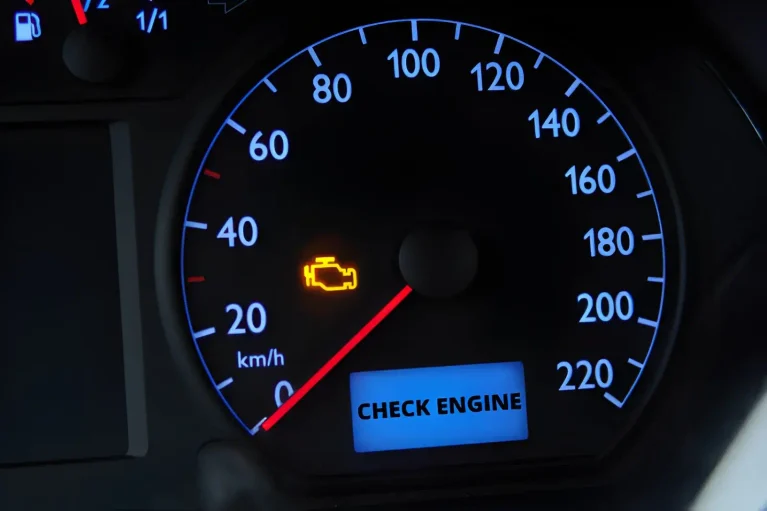
An engine control module is the main computer that controls your vehicle’s engine. It collects data from sensors throughout the engine bay, processes that data in real time, and adjusts fuel delivery, ignition timing, idle speed, and emissions functions to keep the engine running efficiently. You may also see it called an ECU (engine control unit) or PCM (powertrain control module) depending on the manufacturer. Every fuel-injected vehicle made since the mid-1980s has one, and every vehicle sold in the United States since 1996 uses it as part of the OBD2 diagnostic system.
How Does an Engine Control Module Work?
The engine control module works by reading input signals from sensors, making calculations based on pre-programmed calibration tables, and sending output commands to engine components. Input sensors include the mass airflow sensor, oxygen sensors, throttle position sensor, coolant temperature sensor, crankshaft position sensor, and camshaft position sensor. Each sensor sends a voltage or resistance signal to the ECM that represents a specific measurement like air volume, exhaust gas content, engine speed, or temperature.
Once the ECM receives the sensor data, it compares the readings against calibration maps stored in its internal memory. These maps are vehicle-specific files that tell the module exactly how much fuel to inject, when to fire the spark plugs, and how to manage emissions controls at every combination of engine speed, load, and temperature. Our detailed guide on why is my check engine light on covers the most common codes and what each one means.
The output side of the ECM controls the hardware that makes the engine run. It sends precise electrical signals to the fuel injectors, ignition coils, idle air control valve, variable valve timing solenoids, and emissions components like the EGR valve and EVAP purge valve.
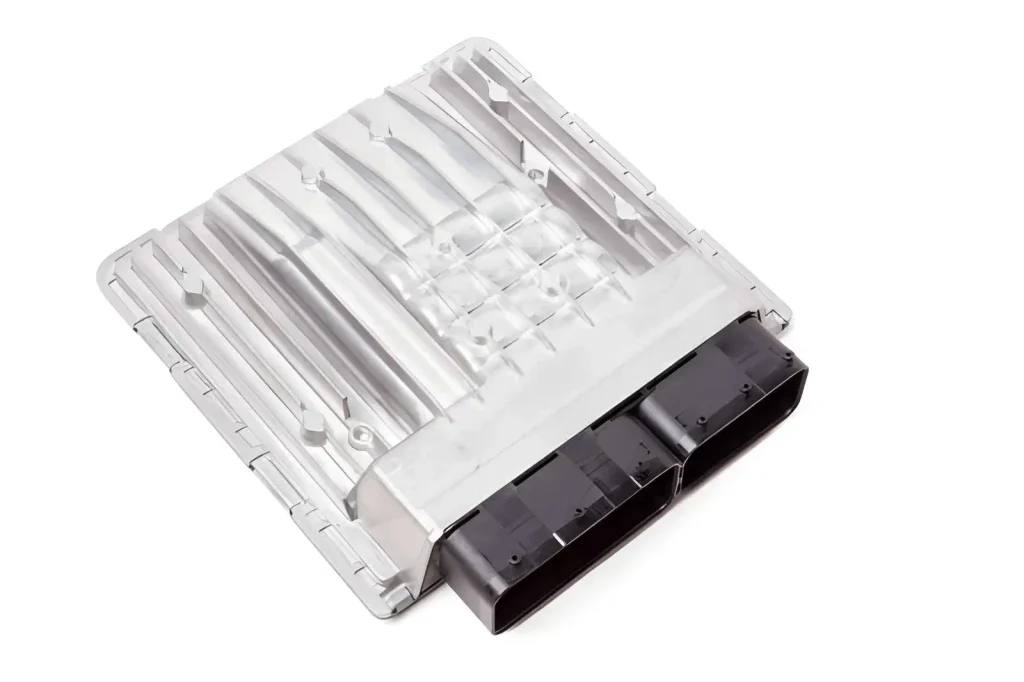
ECM vs ECU vs PCM: What Is the Difference?
Car manufacturers use different names for the engine computer, and that causes confusion for vehicle owners. The terms ECM, ECU, and PCM all refer to similar components but they are not always the same thing. Understanding the difference helps you communicate clearly with your mechanic and avoid paying for the wrong part.
ECM stands for engine control module and manages the engine only. ECU stands for engine control unit, which is an older term that means the same thing as ECM. Most manufacturers stopped using ECU in the early 2000s and switched to ECM instead. You will still see ECU in repair manuals and forum posts about older vehicles, but it refers to the same computer that controls fuel, ignition, and emissions functions.
PCM stands for powertrain control module and is a combined unit that manages both the engine and the automatic transmission in one computer. Ford, Chrysler, and some GM vehicles use a PCM instead of separate modules. Other manufacturers keep them separate, with the ECM handling the engine and a dedicated transmission control module handling gear shifts through TCM programming that matches the shift patterns to the vehicle’s drivetrain.
That Dashboard Light Will Not Fix Itself
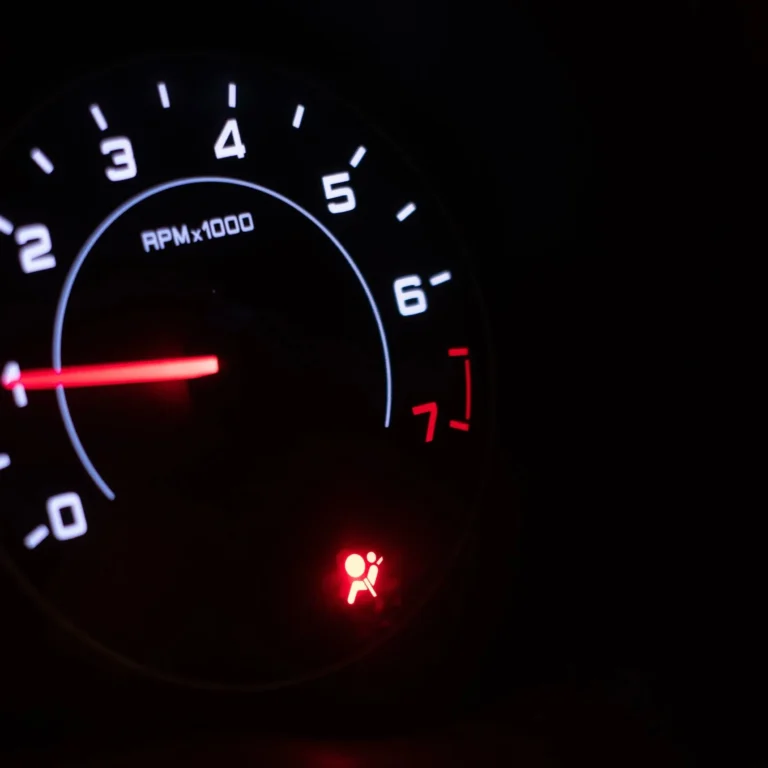
Airbag warnings, electrical faults, and AC failures get worse the longer you wait. Send us your vehicle details and we will have a quote ready before your next drive.
What Does the Engine Control Module Control?
The ECM manages more systems than most car owners realize. Here is a breakdown of every major function the engine control module handles in a modern vehicle.
| System | What the ECM Controls |
|---|---|
| Fuel delivery | Injector pulse width, fuel pressure, air-fuel ratio |
| Ignition | Spark timing, coil firing sequence, knock sensor response |
| Idle speed | Idle air control, electronic throttle body position |
| Emissions | EGR valve, EVAP purge valve, catalytic converter monitoring |
| Variable valve timing | Oil control solenoids, camshaft phasing |
| Cooling | Electric fan activation, thermostat control on some models |
| Charging | Alternator output regulation on newer vehicles |
| Diagnostics | Code storage, freeze frame data, readiness monitors |
The ECM adjusts fuel delivery by controlling how long each fuel injector stays open during every engine cycle. This is called injector pulse width, and it changes constantly based on throttle input, engine load, air temperature, and oxygen sensor feedback.
The diagnostic function is what connects the ECM to your dashboard warning lights. When the ECM detects a sensor reading that falls outside its programmed limits, it logs a diagnostic trouble code and activates the check engine light. You can check engine light codes without a scanner on many vehicles using built-in dashboard methods. Once the fault is repaired, our step-by-step guide on how to reset check engine light walks through every method for clearing those stored codes so the light turns off.
How the ECM Communicates With Other Modules?
The CAN bus (controller area network) is the communication highway that connects all modules in your vehicle. The ECM sends engine data like RPM, coolant temperature, and throttle position across this network, and other modules use that information to make their own decisions. The transmission control module uses that data to calculate shift points, and proper TCM programming ensures those shifts match the engine calibration.
The ECM also works closely with the vehicle’s security system. On most modern vehicles, the ECM must verify an encrypted signal from the ignition key or key fob before it allows the engine to start. This anti-theft handshake happens through the immobilizer system, and it is one reason why a replacement ECM requires proper ECM programming before the engine will run.
Communication failures between the ECM and other modules set U-codes in the diagnostic system. A U0100 code means the ECM has lost communication entirely, while a U0073 code means the CAN bus network is down. These faults can be caused by damaged wiring, a bad ground connection, or a failed module pulling the entire network offline. Our resource on wiring harness replacement cost breaks down what these repairs typically run depending on the extent of the damage and the vehicle type.
Signs Your Engine Control Module Is Failing
A failing ECM affects multiple systems at once because it controls the entire engine. Here are the most common warning signs to watch for:
- Check engine light stays on with ECM-specific codes like P0606, P0607, or U0100
- Engine cranks but will not start even though the battery and starter are fine
- Random stalling at idle or while driving with no clear pattern
- Rough or erratic idle that does not improve with new spark plugs or cleaning
- Engine misfires across multiple cylinders with no bad coils or plugs found
- Poor fuel economy that gets worse over time despite normal maintenance
- Vehicle goes into limp mode with reduced power and no higher gears
- Multiple unrelated warning lights come on at the same time including ABS, traction control, and check engine
- Transmission shifts hard or at wrong times because the TCM receives incorrect data from a failing ECM
Not every symptom on this list means your ECM is bad. Many of these are broader car electrical problems caused by corroded grounds, weak batteries, or damaged connectors. A proper car electrical diagnostic with the right car diagnostics tools should check power and ground circuits at the ECM connector, test CAN bus communication lines, and verify sensor signals before condemning the module.
Common Causes of ECM Failure
Engine control modules are built to last the life of the vehicle, but certain conditions can cause premature failure. Knowing what damages the ECM helps you prevent a costly replacement. Water intrusion is the number one killer of engine control modules. On some vehicles, the ECM mounts low in the engine bay or near the firewall where it is exposed to rain, road spray, or flood water.
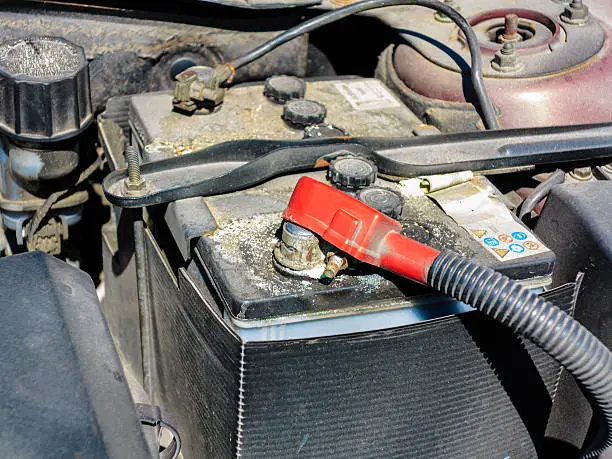
Voltage spikes from a failing alternator or a jump start gone wrong can fry the ECM’s internal circuits instantly. The module runs on a stable 5-volt reference signal internally, and a surge above the normal operating range burns out sensitive components on the circuit board. A weak battery that cannot hold a consistent charge also stresses the ECM because the voltage fluctuates as the engine runs. Our full guide on ECM replacement cost gives a complete breakdown of parts, programming, and labor across different vehicle types.
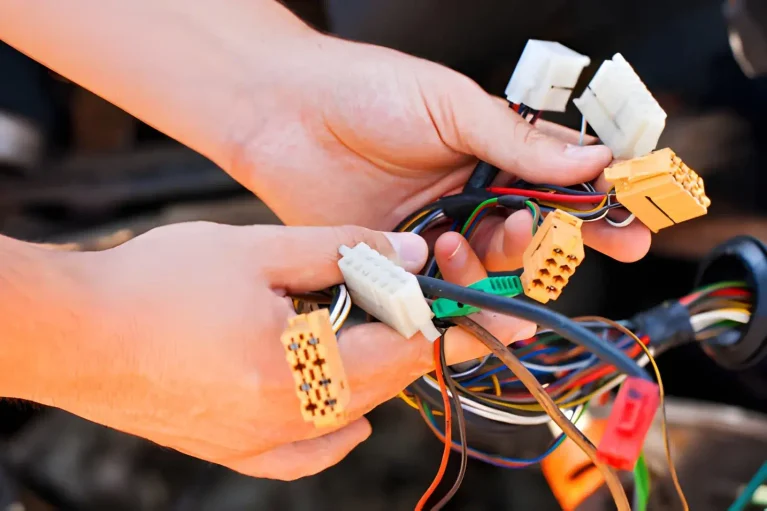
Wiring and connector damage is the third most common cause. Rodents chewing through wires, corrosion on connector pins, and chafed wires shorting against metal brackets all create conditions that damage the ECM. The wiring harness replacement cost depends on how much of the harness is affected, but catching damage early prevents it from reaching the module. After a collision, the ECM is one of several modules that may need attention alongside the airbag system.
Toki Auto Works runs auto electrical diagnostics in California with OEM dealer-level software to confirm whether your ECM needs reprogramming or full replacement before any parts are ordered.
Frequently Asked Questions
Q. Is an ECM the same as a PCM?
Not always. An ECM controls the engine only, while a PCM manages both the engine and transmission in one unit. Ford and Chrysler commonly use PCMs. Other manufacturers keep them separate, each requiring its own ECM programming or TCM programming after replacement.
Q. How long does an engine control module last?
Most ECMs last the entire life of the vehicle. They have no moving parts and are sealed against heat and vibration. Premature failure is usually caused by water intrusion, voltage spikes, or wiring damage rather than normal wear.
Q. Can you drive with a bad ECM?
If the module is partially failing, the engine may run in limp mode with reduced power. If it has completely failed, the engine will not start at all. Driving with a malfunctioning ECM risks damage to the catalytic converter because fuel and ignition controls are no longer accurate.
Q. Does a new ECM need to be programmed?
Yes. Every replacement ECM requires professional ECM programming to match your vehicle’s VIN, engine calibration, and security system. A blank module installed without programming will not communicate with the immobilizer and the vehicle will not run.
Q. How much does it cost to fix an ECM?
The full ECM replacement cost runs $500 to $2,000 including the module, programming, and labor. If only the software is corrupted, reprogramming costs $80 to $200 and avoids the full replacement. A proper diagnostic confirms which fix you actually need.
Get a Straight Answer Before You Spend a Dollar
No guesswork, no upsell. Tell us the problem and we will run it through the same OEM software your dealership uses, then give you an honest quote. Family owned, 5.0 stars, 128 reviews.