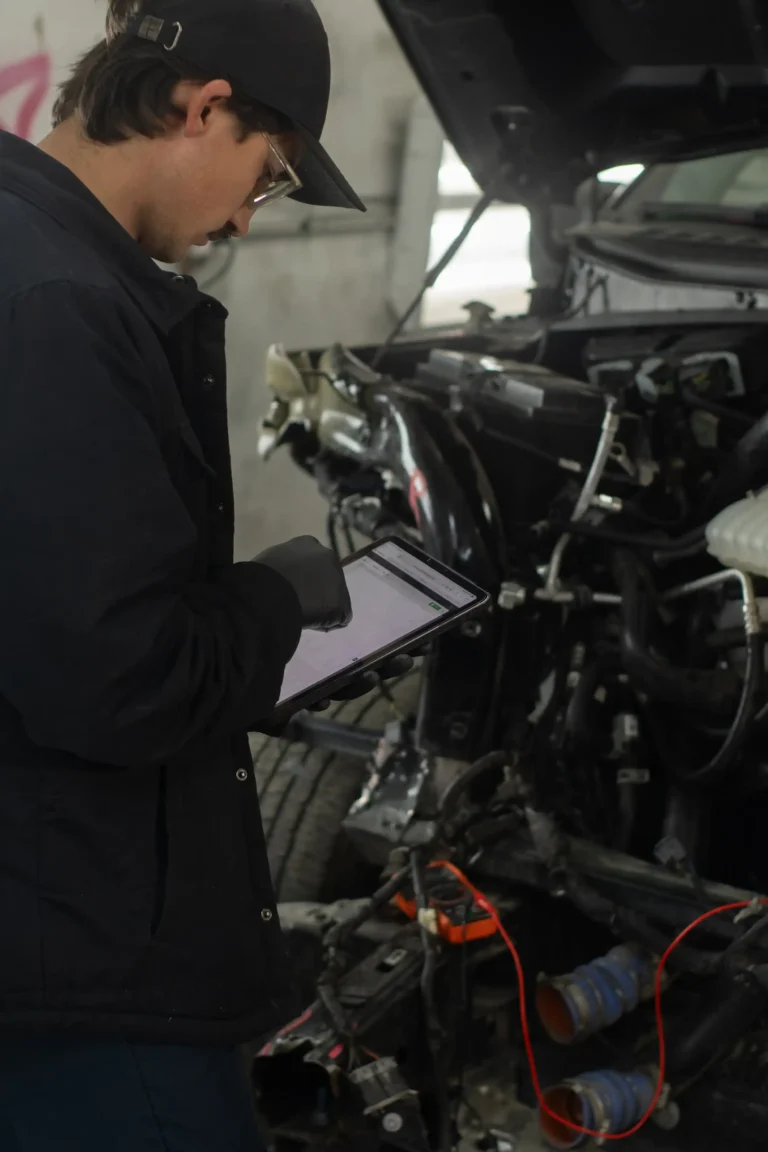
Your check engine light is on because your vehicle’s onboard diagnostic system has detected a fault in the engine, emissions, or powertrain system. The most common causes are a loose gas cap, a failing oxygen sensor, a bad catalytic converter, ignition coil or spark plug wear, and a vacuum leak. Less common triggers include a dirty mass airflow sensor, EGR valve buildup, EVAP system leaks, a weak battery, and car electrical problems tied to the ECM or wiring. Each cause stores a specific diagnostic trouble code in the engine control module.
This guide breaks down all 10 causes, what each one costs to fix, and when you need professional help.
What Does the Check Engine Light Mean?
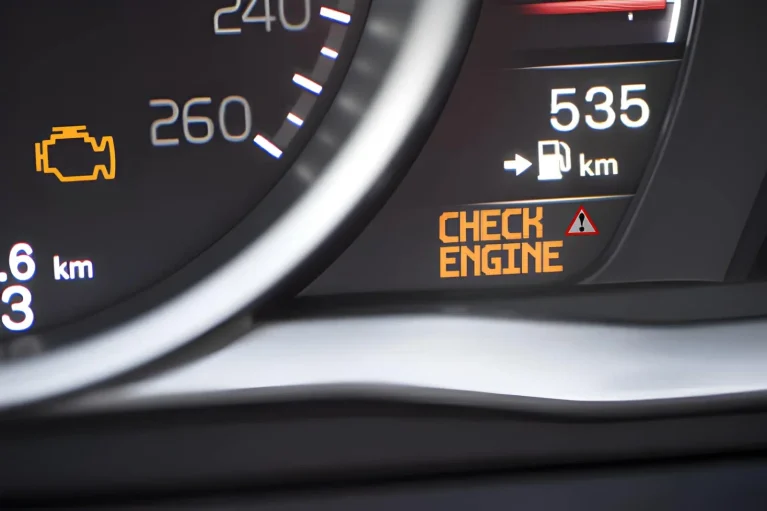
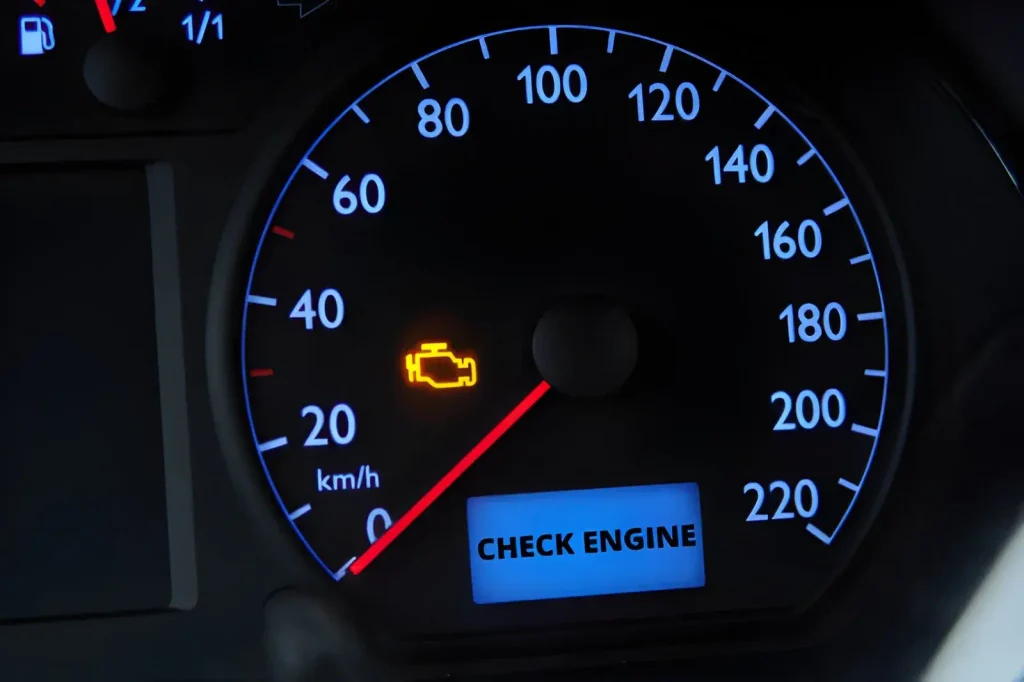
The check engine light connects to your vehicle’s OBD2 system, which has been standard on every car sold in the United States since 1996. Sensors throughout the engine, exhaust, and emissions system feed data to the engine control module. When any sensor reading falls outside the normal range, the ECM stores a diagnostic trouble code and turns on the warning light. That code tells a technician exactly which system or circuit triggered the fault.
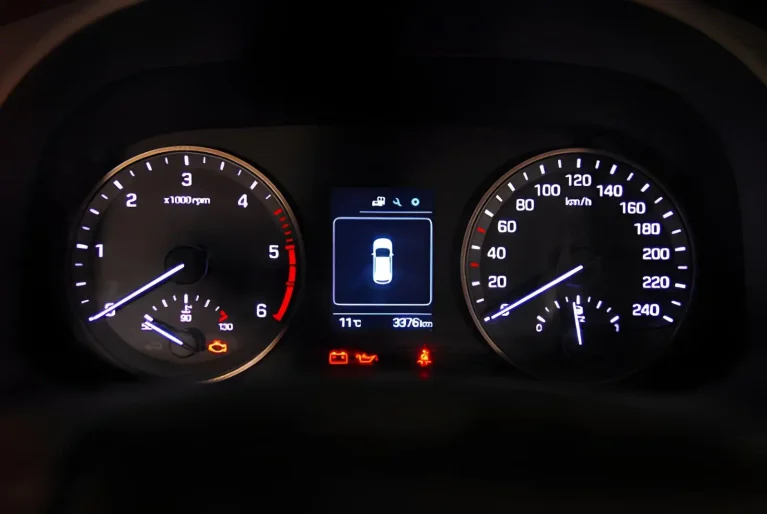
A steady check engine light usually points to a stored fault that is not causing immediate damage. A flashing check engine light is a different story. It signals an active engine misfire that is sending unburned fuel into the catalytic converter, and continued driving can destroy the converter within minutes. If your light is flashing, pull over and shut the engine off. If it is steady, you have time to get it diagnosed, but do not ignore it for weeks.
The fault codes follow a standard format across all makes and models. P codes cover the powertrain, B codes relate to the body control module, C codes cover the chassis, and U codes flag network communication problems between modules. Most check engine light codes start with P, but car electrical problems involving the BCM or TCM can also trigger the light. If you want to read these codes yourself, you can check engine light codes without a scanner on many vehicles using built-in dashboard methods.
10 Most Common Causes of a Check Engine Light
Most check engine light triggers fall into the same 10 categories. Here is each cause, what code it sets, and what it costs to fix.
1. Loose, Damaged, or Missing Gas Cap
A loose gas cap is the easiest and cheapest fix on this list. The cap seals the fuel system, and when it is loose or cracked, the EVAP system detects a pressure drop and stores code P0455 or P0440. Pull over, tighten the cap until it clicks, and drive for a day or two. The light clears on its own once the system passes its self-check. A replacement cap costs $5 to $15.
If the light stays on after tightening, the leak sits somewhere else in the EVAP system. A cracked purge valve, damaged canister, or rotted vapor hose can set the same code. A smoke test at a shop finds the exact leak point, and repairs run $100 to $300 depending on the part.
2. Failing Oxygen Sensor
The oxygen sensor measures unburned fuel in the exhaust so the ECM can adjust the air-fuel mixture. A failing sensor sends bad data, triggers codes like P0130 or P0135, and hurts your gas mileage. Left unfixed, it forces the engine to run rich, which puts stress on the catalytic converter. A $150 sensor replacement can prevent a $1,500 converter failure.
Most vehicles have two to four oxygen sensors, and they wear out after 80,000 to 100,000 miles. Replacement costs $100 to $300 including parts and labor. If your car has high mileage and original sensors, a failing O2 sensor is one of the most likely reasons your check engine light is on.
3. Catalytic Converter Failure
A failing catalytic converter sets code P0420 or P0430 and causes reduced power, poor acceleration, and a rotten egg smell. The converter rarely fails on its own. It usually breaks down because a bad oxygen sensor, misfiring spark plugs, or a rich fuel condition pushed raw fuel into it for too long. Replacement costs $1,000 to $2,500 depending on the vehicle.
California-compliant converters cost more because they meet stricter emissions standards. Always fix the upstream cause before replacing the converter, or the new one will suffer the same damage. Get a full diagnostic to find the root cause first.
4. Ignition Coil or Spark Plug Failure
Worn spark plugs and failing ignition coils cause engine misfires that set codes P0300 through P0312. You will feel the engine shaking, hesitating, or stumbling under acceleration. Standard plugs last 30,000 to 50,000 miles, and iridium plugs last up to 100,000 miles. When the electrode wears down, the spark weakens and fuel does not burn completely.
Replacing one ignition coil costs $75 to $250, and a full set of plugs and coils runs $300 to $600 on most four-cylinder engines. Many technicians recommend replacing all coils at once if the vehicle has over 100,000 miles because the rest are usually close behind.
5. Vacuum Leak
A vacuum leak lets unmetered air into the engine and throws off the air-fuel ratio. Common codes are P0171 and P0174, both meaning the system is running too lean. Symptoms include rough idle, high idle speed, hissing from the engine bay, and stalling at stop signs. Cracked vacuum hoses, torn intake boots, and leaking gaskets are the usual culprits.
A cracked hose costs under $20 to replace. A leaking intake manifold gasket runs $200 to $500. The tricky part is finding the leak, and a smoke test is the fastest way to pinpoint the exact location without hours of guesswork.
6. Mass Airflow Sensor Failure
The mass airflow sensor tells the ECM how much air is entering the engine. A dirty or failing sensor sends wrong readings, triggers code P0101 or P0102, and causes poor acceleration, rough idle, and reduced fuel economy. Cleaning the sensor with a dedicated MAF cleaner spray costs under $10 and fixes the problem in many cases.
If cleaning does not work, a replacement sensor runs $100 to $350. A failing MAF sensor can also cause the transmission to shift hard because the TCM relies on engine load data from the same sensor. If you see engine problems and shifting issues together, the MAF sensor is a strong suspect.
7. EGR Valve Problems
The EGR valve redirects exhaust gas back into the intake to lower combustion temperatures. Carbon buildup clogs the valve over time and sets code P0401 or P0402. Symptoms include rough idle, stalling, and engine knocking. City driving builds carbon faster because the engine rarely reaches the temperatures needed to burn off deposits.
Cleaning the valve and passages costs $100 to $200. A full replacement runs $150 to $400 including labor. Some vehicles use an electronic EGR valve controlled by the ECM, and a failed valve on those models can trigger circuit-related codes. If you see both a valve code and a circuit code, the problem could be in the wiring harness rather than the valve itself.
8. EVAP System Leak
The EVAP system captures fuel vapors and routes them back into the engine. A leak sets codes P0440, P0442, or P0456. You will not feel any drivability difference because the engine runs the same, but the check engine light stays on and your car will fail emissions testing. California is an automatic smog failure with a lit check engine light regardless of the code.
A new purge valve costs $50 to $150, a vent valve $60 to $200, and a charcoal canister $150 to $400. Finding a small EVAP leak requires a smoke test because the hole is often too small to see or smell.
9. Weak Battery or Charging System Fault
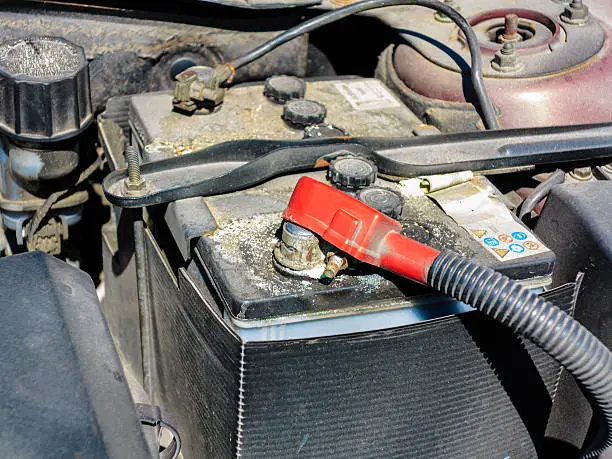
A weak battery causes more than slow cranking. When voltage drops below the normal range, electronic modules across the vehicle start logging fault codes. You might see the check engine light combined with the ABS light, traction control light, or SRS light all at once from a single low-voltage event. A steering angle sensor reset is sometimes needed afterward because the sensor loses its calibration when power drops.
A new battery costs $100 to $250, and an alternator replacement runs $300 to $700. If the battery is more than four years old and you are seeing random warning lights, replacing it is the cheapest and fastest first step. A load test at any auto parts store is free and takes five minutes.
10. ECM or Module Communication Fault
The engine control module is the brain of the powertrain system. When it fails or loses communication with other modules, it sets U-codes or internal faults like P0606. Symptoms include no-start conditions, erratic engine behavior, and multiple systems going into failsafe mode. ECM programming errors after a battery disconnect or module swap are more common than actual hardware failure.
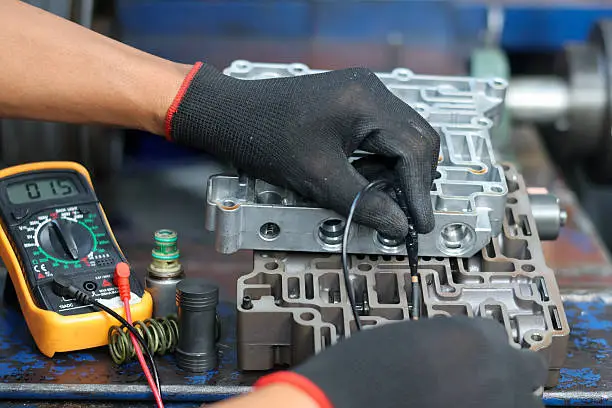
A new or used ECM must be coded to your vehicle’s VIN and configured for your exact engine and transmission. BCM programming follows the same requirement for body electronics, and the TCM must be matched to the transmission for correct shift patterns.
Toki Auto Works offers auto electrical diagnostics in Sacramento using OEM dealer-level software and manufacturer wiring diagrams to trace every fault to its source. Whether the fix is ECM programming, a wiring repair, or a full module replacement, a proper diagnostic confirms the root cause first.
Frequently Asked Questions
Q. Why is my check engine light on but my car runs fine?
The most common cause is a loose gas cap or a small EVAP system leak. These faults do not affect how the engine runs but still trigger the light. An aging oxygen sensor can also turn it on before you notice any drivability change.
Q. Can I keep driving with the check engine light on?
A steady light is not an emergency but should be checked within a week. A flashing light means an active misfire that can damage the catalytic converter. Stop driving immediately if the light is flashing.
Q. Does a check engine light always mean an expensive repair?
No. About 30 percent of repairs cost under $200. A gas cap, oxygen sensor, or spark plug fix is affordable. Expensive repairs like catalytic converters or ECM replacements are less common.
Q. Will the check engine light turn off by itself after a repair?
On most vehicles, the light clears on its own after one to three driving cycles once the fault is fixed. You can also clear it manually if you know how to reset your check engine light, but only do this after the repair is complete.
Q. Can a check engine light be caused by an electrical problem?
Yes. Codes starting with U or B often point to communication faults between the ECM, BCM, or TCM. Damaged wiring, corroded grounds, and failing control modules are common electrical causes behind check engine light warnings.
Get a Straight Answer Before You Spend a Dollar
No guesswork, no upsell. Tell us the problem and we will run it through the same OEM software your dealership uses, then give you an honest quote. Family owned, 5.0 stars, 128 reviews.