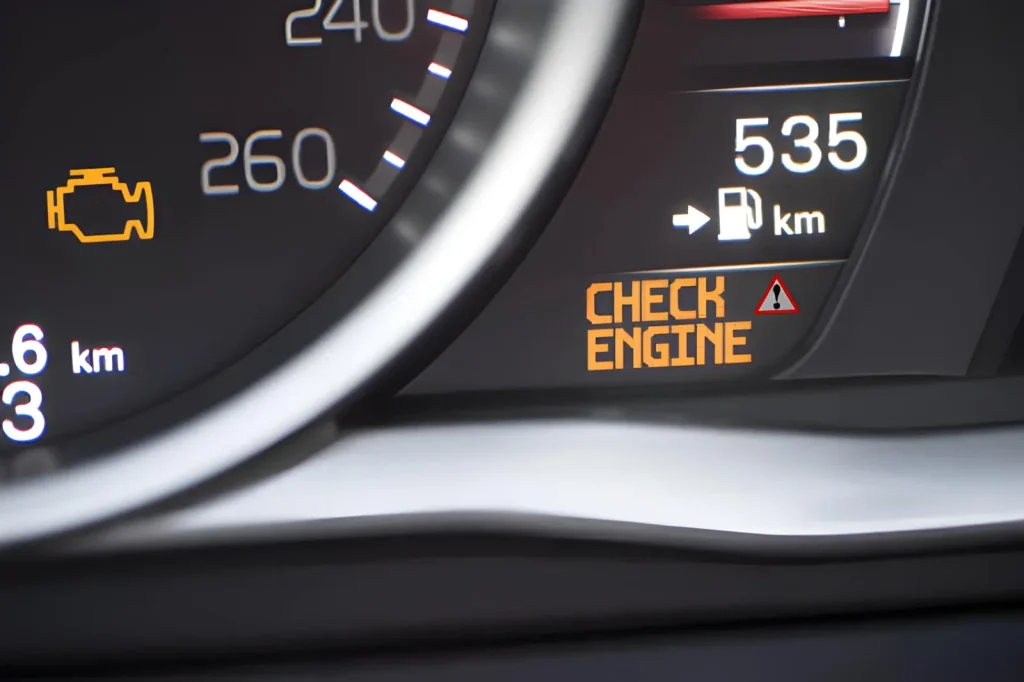
You can check engine light codes without a scanner by using your vehicle’s built-in ignition key cycle method, dashboard self-diagnostic mode, or blink code reading. Chrysler, Dodge, and Jeep models display codes on the odometer when you turn the key ON and OFF three times. Ford vehicles flash the check engine light in a counted pattern that represents each code. Several newer Toyota, Hyundai, and GM models show fault codes directly through the instrument cluster menu. Each method gives you the stored diagnostic trouble code so you can identify the problem before visiting a repair shop.
This guide covers every scanner-free method step by step, which codes you are most likely to see, and what to do once you have them.
What Does the Check Engine Light Actually Mean?
The check engine light is part of your vehicle’s onboard diagnostic system, known as OBD2. Every car sold in the United States after 1996 has this system. When a sensor picks up a problem with the engine, transmission, or emissions system, it sends a signal to the engine control module. The ECM stores a trouble code and turns on the warning light. That code points to the exact system or part that triggered the fault.
A steady check engine light usually means a minor issue like a loose gas cap, a failing oxygen sensor, or a small emissions leak. A flashing check engine light is more serious and often points to an engine misfire that can damage your catalytic converter. Knowing the difference between a steady light and a flashing one helps you decide how fast you need to act. If your light is flashing, stop driving and get the car checked immediately.
The codes your car stores follow a standard format. They start with a letter followed by four numbers. P codes relate to the powertrain, B codes to the body control module, C codes to the chassis, and U codes to network communication. The most common ones you will see are P codes, and they cover everything from misfires and oxygen sensor faults to fuel system and emissions problems. Once you know how to check engine light codes, you can look up what each code means and decide your next move.
How To Check Engine Light Codes Using the Ignition Key Method?
The ignition key cycle method works on many Chrysler, Dodge, Jeep, and RAM vehicles. Turn the key to the ON position without starting the engine. Then turn it back to OFF. Repeat this three times and leave the key in the ON position on the third turn. Your dashboard will display a series of numbers in the odometer area. Those numbers are your diagnostic trouble codes. Write each one down exactly as it appears.
On some older Ford vehicles, you can use a similar approach by counting the flashes of the check engine light itself. Turn the ignition to ON and watch the light. It will blink in a pattern. For example, two blinks followed by a pause and then three blinks means code 23. Count each set of blinks carefully because missing one flash will give you the wrong code. Older Toyota and Honda models also use blink counting, but the process varies by model year.
General Motors vehicles from the mid-2000s and earlier sometimes let you read codes through the driver information center. Use the buttons on the dashboard to scroll through the menu until you reach a diagnostics screen. The system will display any stored codes directly on the screen. Check your owner’s manual for the exact button sequence because it changes between Chevrolet, GMC, and other GM models.
That Dashboard Light Will Not Fix Itself
Airbag warnings, electrical faults, and AC failures get worse the longer you wait. Send us your vehicle details and we will have a quote ready before your next drive.
Dashboard Self-Diagnostic Mode on Modern Vehicles
Many 2010 and newer Ford models let you access diagnostic trouble codes through the instrument cluster. Hold down the trip odometer reset button while turning the ignition to ON. The dashboard enters a test mode and cycles through system checks. Stored codes will appear on the display. This method also works on several Lincoln and Mercury models that share the same platform.
Toyota and Lexus vehicles with push-button start sometimes allow access to diagnostic screens through a specific pedal and button sequence. Press the brake pedal, push the start button twice without pressing the brake to reach accessory mode, and then check the multi-information display for any fault indicators. The exact process depends on the model year and trim level, so your owner’s manual is the best reference for the right sequence.
Hyundai and Kia models from 2015 onward often show basic fault information through the trip computer menu. Scroll through the options using the steering wheel controls until you find a vehicle diagnostics section. Not every trim level includes this feature, but higher trims with digital instrument clusters usually do. If your car has this screen, it will display both active and stored codes along with a short description of each fault.
Common Check Engine Light Codes and What They Mean
Here is a quick reference table for the most common codes you might see when you check engine light codes on your vehicle.
| Code | Meaning | Common Cause |
|---|---|---|
| P0300 | Random or multiple cylinder misfire | Spark plugs, ignition coils, fuel injectors |
| P0171 | System too lean (Bank 1) | Vacuum leak, weak fuel pump, dirty MAF sensor |
| P0420 | Catalyst system efficiency below threshold | Failing catalytic converter, oxygen sensor |
| P0440 | EVAP emission control system malfunction | Loose gas cap, EVAP canister leak |
| P0128 | Coolant thermostat below regulating temperature | Stuck open thermostat |
| P0455 | EVAP system large leak detected | Missing or cracked gas cap, EVAP hose leak |
| P0401 | EGR insufficient flow | Clogged EGR valve or passages |
| P0135 | O2 sensor heater circuit malfunction (Bank 1) | Failing oxygen sensor, wiring fault |
Some codes point to deeper electrical problems that go beyond a simple part swap. Codes related to the ECM, TCM, or BCM often mean the control module itself needs reprogramming or replacement. A P0606 code, for example, points to an ECM processor fault, and fixing that usually requires professional-level ECM programming with OEM software. Wiring harness damage can also trigger multiple codes at once, making it look like several parts failed when the real problem is a single broken wire.
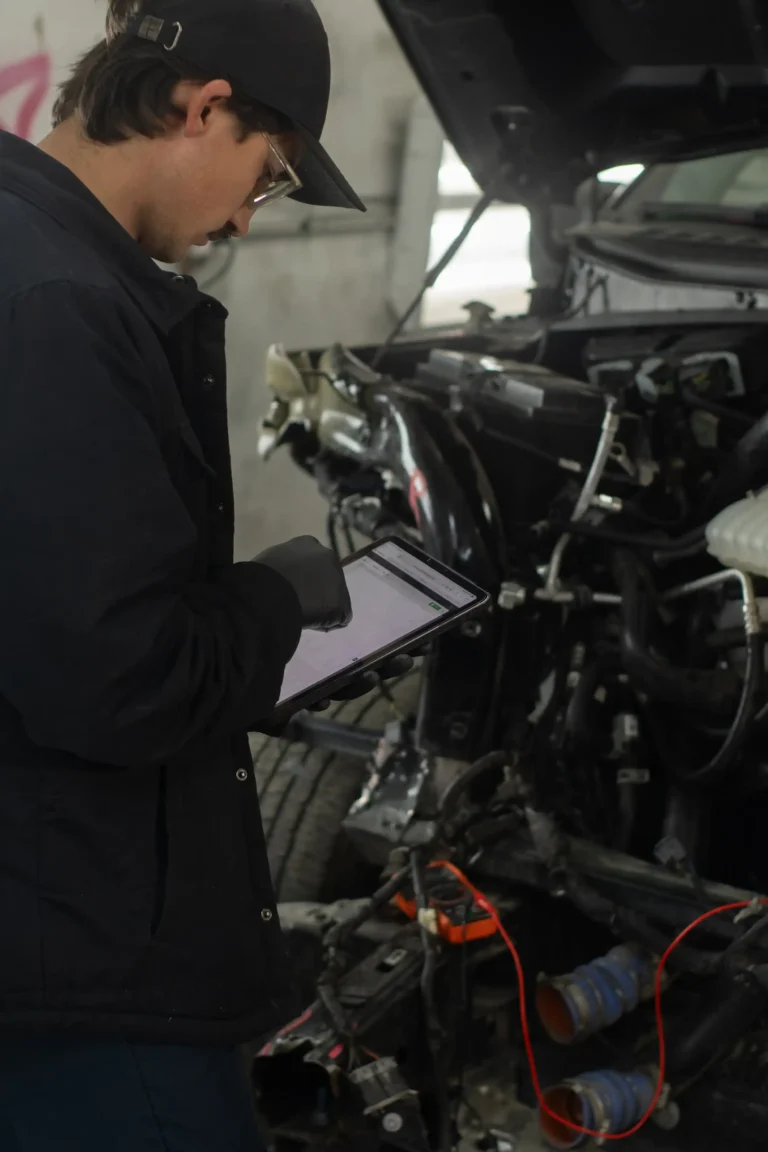
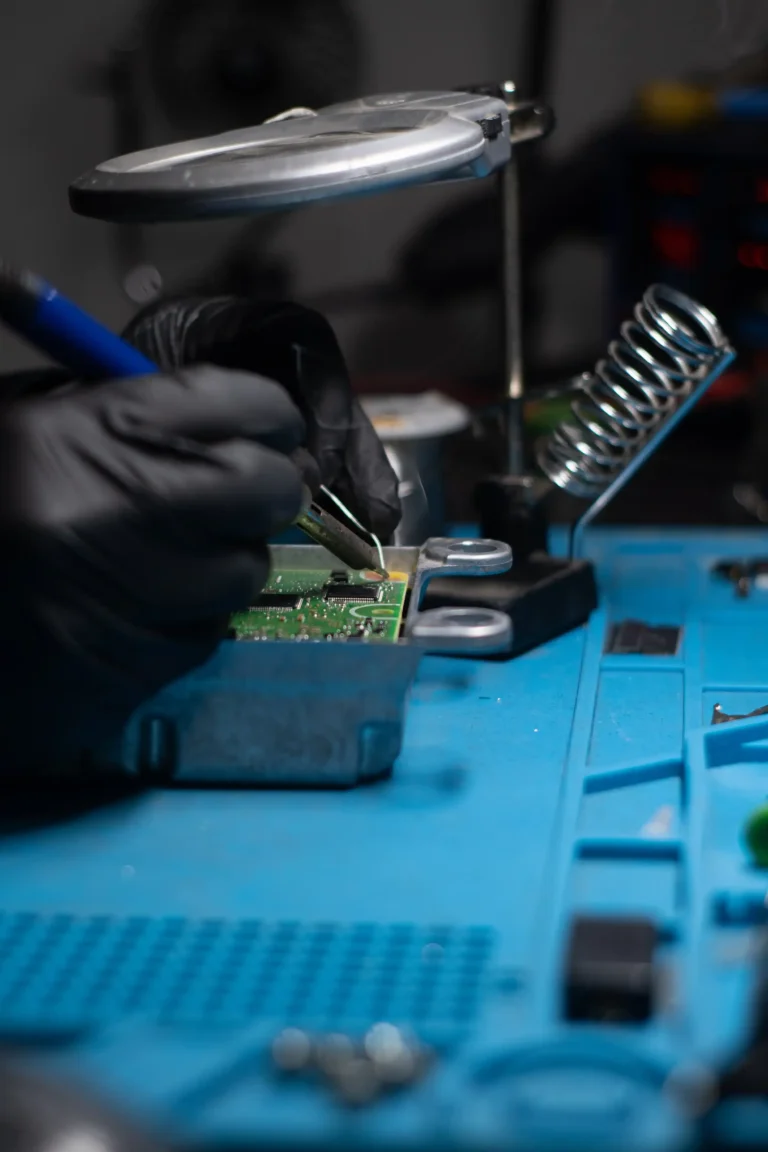
When codes point to module faults or network errors, a proper electrical diagnostic with manufacturer wiring diagrams is the only way to find the root cause. Toki Auto Works runs electrical diagnostics and programming in North Highlands using OEM dealer-level software to trace these faults for drivers across the Sacramento area, the same tooling dealerships use, at independent shop pricing.
What To Do After You Read Your Codes?
Reading the code is only the first step. What you do next depends on the type of fault your car stored. Start with the simplest fix. If the code points to a loose gas cap, tighten it and drive for a day or two. The light will turn off on its own once the system runs its self-check and passes. If the code points to an oxygen sensor or a catalytic converter, the repair is more involved and usually requires parts and labor. Look up the exact code online to understand what part of the system is affected before you agree to any repair.
Do not clear the codes and ignore the problem. Erasing fault codes without fixing the underlying issue will bring the light right back, and in some cases it can cause more damage. A misfire code left unfixed can destroy your catalytic converter, turning a $200 repair into a $1,500 one. A module communication code left ignored can leave your airbag system, traction control, or transmission stuck in a default safe mode that limits your vehicle’s performance.
Some codes require professional diagnostic equipment that goes beyond what a scanner or dashboard method can show. Live sensor data, freeze frame information, and bi-directional testing give a technician the full picture of what happened and when. If your code keeps coming back after a repair, or if you are seeing multiple codes across different systems, that usually points to a wiring or ground issue that needs hands-on electrical testing with the right diagrams and tools.
Frequently Asked Questions
Q. Can I check engine light codes on any car without a scanner?
Not every vehicle supports scanner-free code reading. The ignition key cycle method works on most Chrysler, Dodge, and Jeep models. Ford, Toyota, and some GM vehicles have their own dashboard methods.
Q. Will disconnecting the battery clear my check engine light?
Yes, disconnecting the battery for 15 to 30 minutes will usually clear stored codes and turn off the light. But the light will come back if the problem is not fixed.
Q. What is the difference between a steady and flashing check engine light?
A steady light means a stored fault that needs attention but is not an emergency. A flashing light signals an active misfire that can damage your catalytic converter. Pull over safely and avoid driving until the issue is diagnosed.
Q. How much does it cost to have check engine light codes read?
Most auto parts stores like AutoZone and O’Reilly will read your codes for free using a basic OBD2 scanner. A professional diagnostic that includes live data analysis and pinpoint testing usually costs $100 to $180 depending on the shop and the complexity of the issue.
Q. Can a check engine light mean an electrical problem?
Yes. Codes starting with U or B often point to communication faults between control modules like the ECM, BCM, or TCM. Damaged wiring harnesses, corroded grounds, and failing modules are common electrical causes behind check engine light warnings.
Get a Straight Answer Before You Spend a Dollar
No guesswork, no upsell. Tell us the problem and we will run it through the same OEM software your dealership uses, then give you an honest quote. Family owned, 5.0 stars, 128 reviews.